
An old laptop in a storage room does not look like a security risk. A stack of retired desktops by the pantry does not feel urgent either. But for homes and businesses alike, unused electronics often hold personal files, client records, login details, or company data long after the device stops being useful. That is where secure IT recycle services make a real difference.
The job is not just to take equipment away. It is to collect it properly, handle it like sensitive hardware, protect the data inside it, and move it into responsible recycling channels with a clear record of what happened. For anyone clearing out old computers, phones, hard drives, servers, or office equipment, that difference matters.
What secure IT recycle services actually mean
A lot of recycling providers can pick up electronics. Fewer are set up to manage the data security and asset handling side of the job. Secure IT recycle services sit between IT support and e-waste recycling. The goal is simple: make disposal easy without treating old equipment like ordinary scrap.
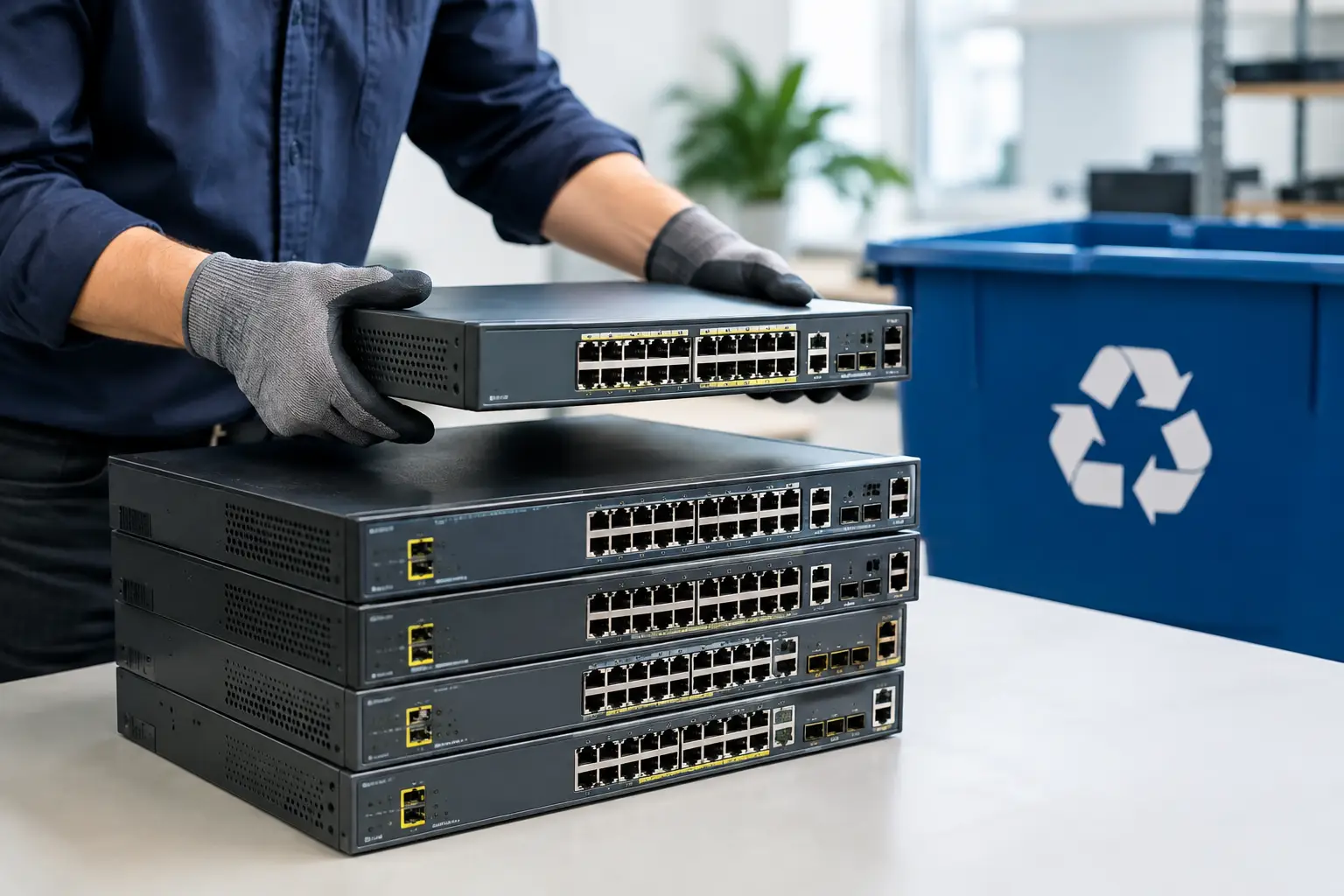
That usually includes scheduled pickup, sorting by device type, secure handling of storage-bearing equipment, and some form of verified data protection service such as data wiping or storage destruction support. For businesses, it can also mean documented pickup records and basic asset verification, which help office managers and admin teams keep track of what left the premises.
For households, the value is just as practical. You may only have one old desktop, two phones, and a dead external drive. Even so, those devices can contain tax documents, photos, saved passwords, and private messages. Convenience matters, but trust matters more.
Why generic scrap collection is not the same thing
The biggest misunderstanding in electronics disposal is assuming every collector offers the same level of care. They do not.
A generic scrap pickup may focus on weight, resale value, or quick collection. That can work for basic metal waste, but old IT equipment needs a different standard. Computers, laptops, servers, network hardware, printers, and storage devices are not just physical items. They are information-bearing assets.
If devices are handled casually, several problems can follow. Hard drives may remain intact. Asset records may be unclear. Equipment may be mixed, damaged, or passed along without any meaningful chain of accountability. Even when there is no bad intent, weak handling creates unnecessary risk.
Secure IT recycle services are designed to reduce that risk. They treat collection as a controlled service, not just a haul-away job.
The real issue is data, not clutter
When people decide to recycle electronics, they often focus first on space. The office storeroom is full. The spare room has old monitors and cables. There are retired laptops nobody wants to touch because nobody is sure what is still on them.
That is usually the real blocker. It is not laziness. It is uncertainty.
A business may hesitate to dispose of ten old workstations because they once belonged to finance, HR, or sales staff. A homeowner may keep an outdated family computer for years because of photos, email archives, or old banking records. Once data enters the picture, disposal stops being simple.
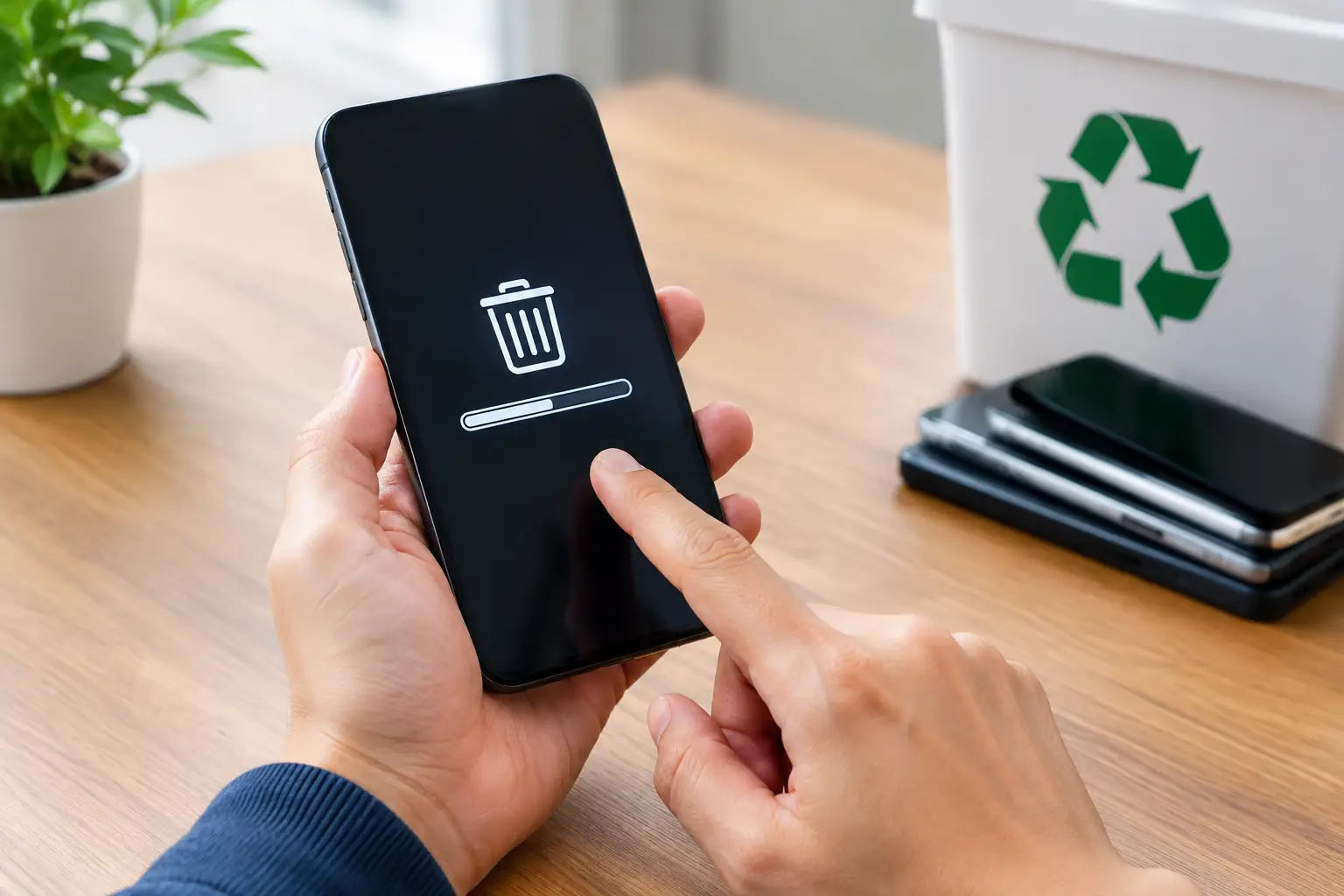
This is why secure data wiping is such an important part of the service. A professional provider should be able to explain how data-bearing devices are treated and what standard is used. If a service includes DoD 5220.22-M 3-pass data wiping, that gives customers a clearer level of confidence than a vague promise that the drive will be “cleaned.”
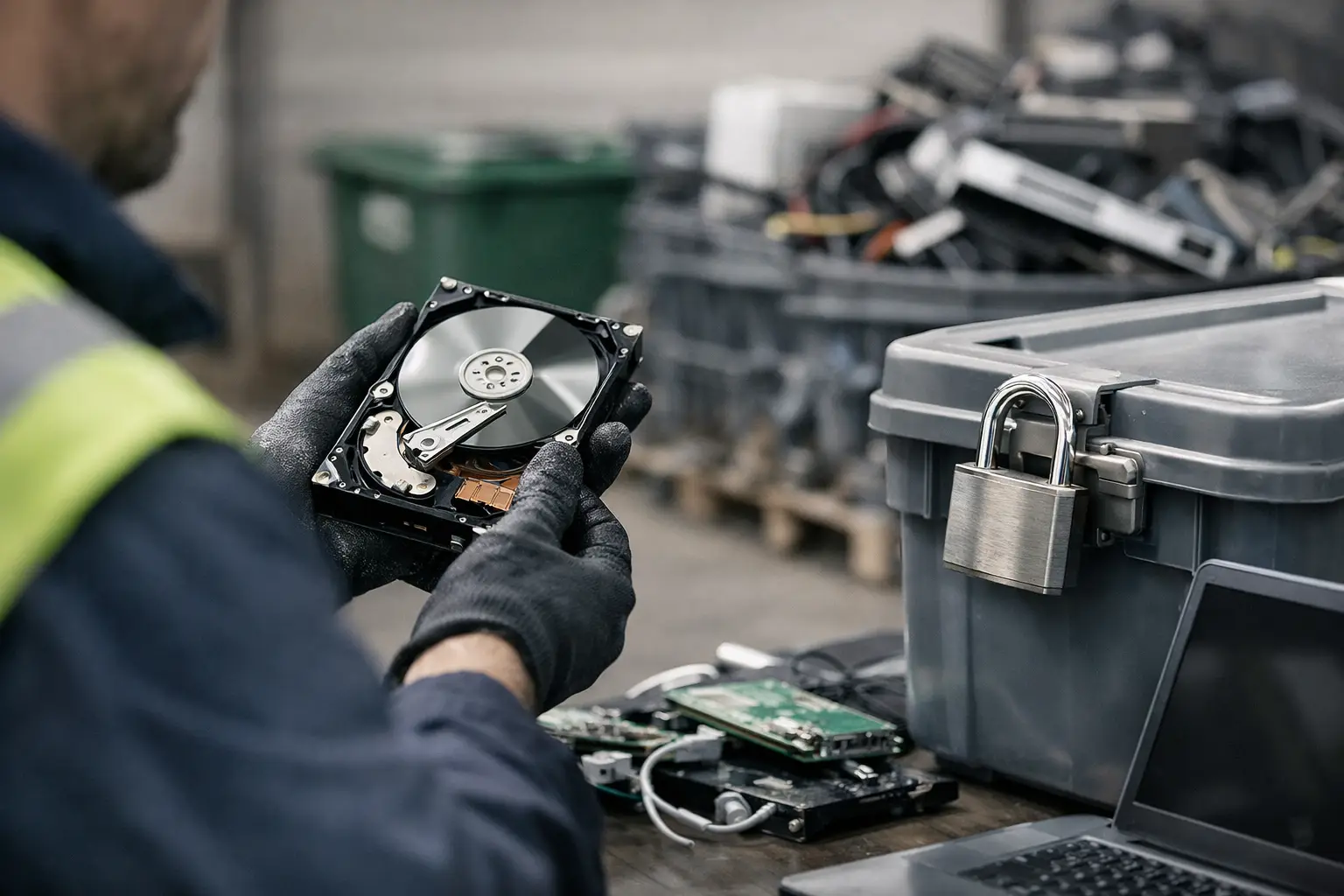
Still, there is some nuance here. Not every device can be wiped in the same way, and not every storage medium is equally recoverable or reusable. In some cases, wiping is practical. In others, physical drive destruction support may be the better fit. A trustworthy provider will explain that difference rather than applying one answer to every device.
Who benefits most from secure IT recycle services
Small and midsize businesses often have the most to gain because they sit in an awkward middle ground. They have enough equipment to create disposal risk, but not always enough internal IT process to manage retirement properly.
Office managers may be told to clear out old devices without a formal disposal plan. Admin teams may inherit a room full of outdated CPUs, broken monitors, unused switches, and retired printers. SME owners may know they need a safer option but do not want the disruption of organizing transport, tracking serials manually, or guessing whether data has really been removed.
Households face a different version of the same problem. Most people are not equipped to wipe drives, dismantle equipment, or transport bulky electronics. They want pickup, a straightforward process, and confidence that their old devices will not be mishandled.
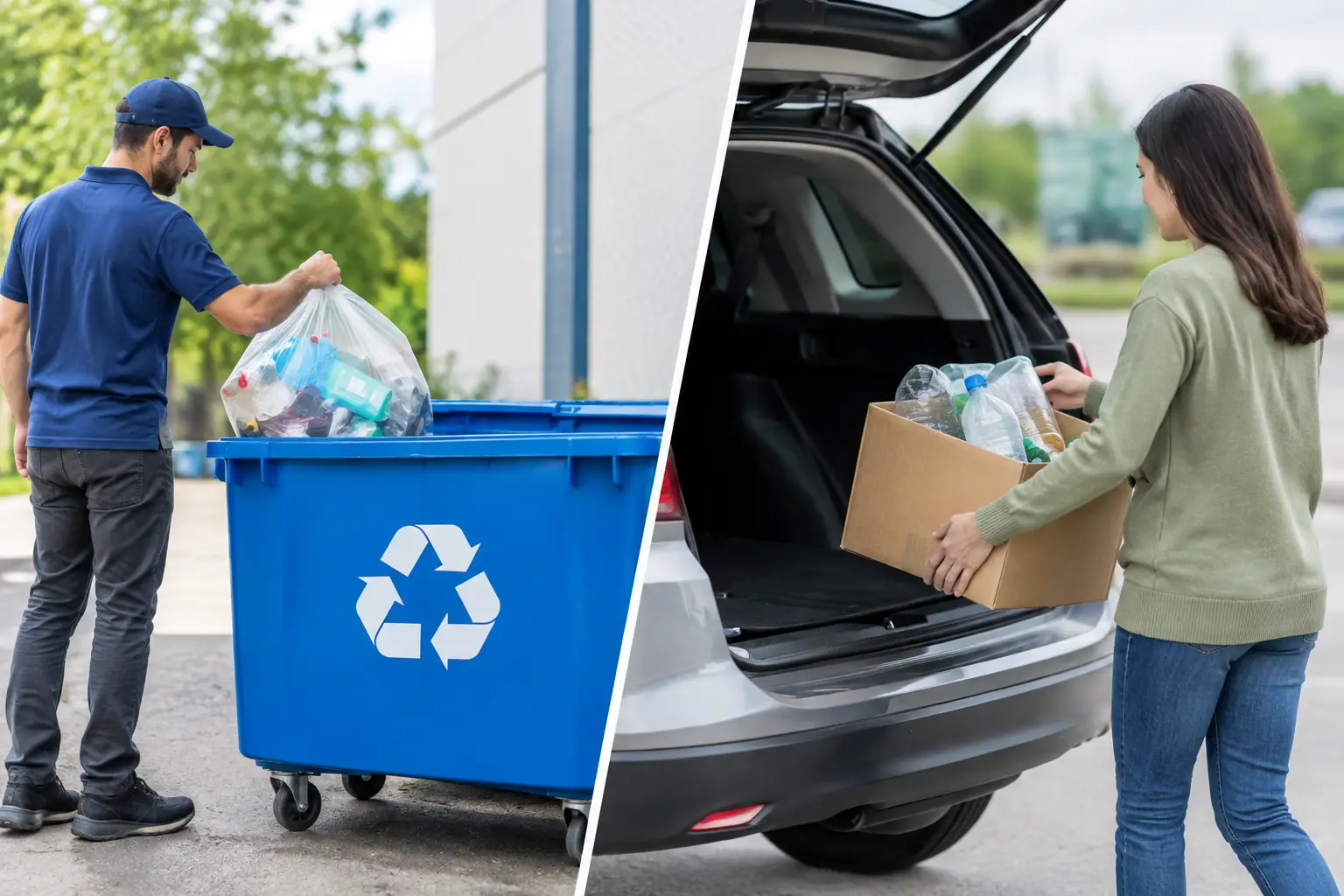
That is why service-driven local providers often make more sense than drop-off-only options. Pickup removes the transport burden, especially for heavier office equipment or larger batches of devices.
What a professional process should look like
A reliable service should feel organized from the first conversation. That means clear communication about what items are accepted, how pickup is arranged, and how data-bearing equipment will be handled.
Secure IT recycle services for homes and offices
For homes, the process should be simple enough that people actually use it. You identify the unwanted electronics, schedule pickup, and hand them over without having to make multiple trips or figure out which facility takes what.
For offices, the process needs a bit more structure. Pickup windows may need to fit business hours. Items may need to be verified on site. Storage devices may require specific handling. Documentation matters because businesses often need proof that assets were collected, especially when dealing with company-owned computers, laptops, or servers.
A good provider will not overcomplicate this, but they also should not treat it casually. There is a balance between convenience and control, and that balance is the whole point.
Accepted devices should be clearly defined
One sign of a professional operation is clarity around what can be collected. That usually includes computers, laptops, phones, servers, network hardware, monitors, printers, office equipment, and smaller electronic devices. Clear categories save time and reduce confusion on pickup day.
It also helps customers prepare properly. Businesses can separate assets by department or device type. Households can gather loose accessories, chargers, or old peripherals in advance.
Documentation builds trust
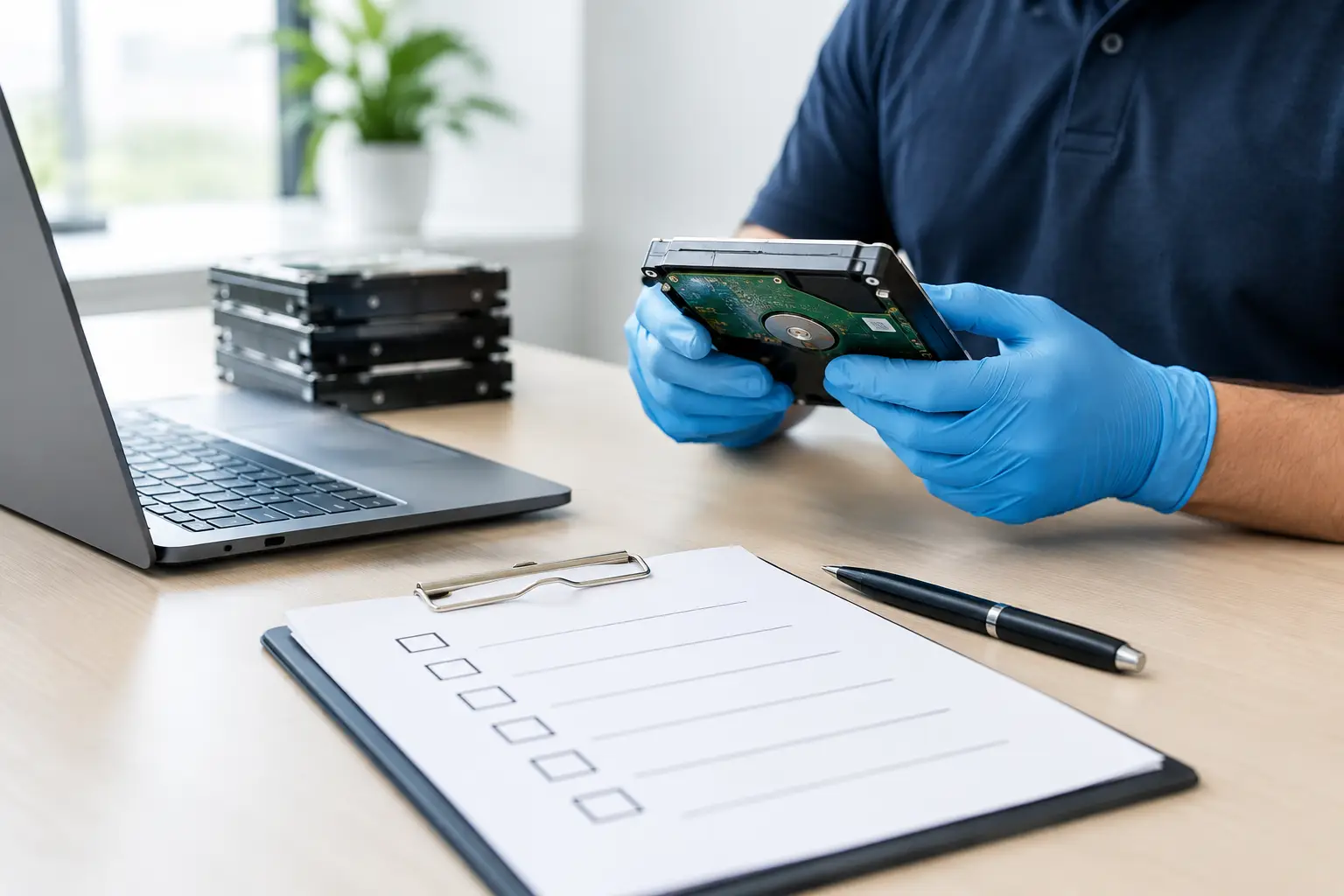
When old equipment leaves your home or office, there should be a record. For businesses, documented pickup records are especially useful because they create accountability without adding much friction. If your company ever needs to confirm what was removed and when, that paperwork matters.
For households, documentation may not be a compliance issue, but it still builds confidence. It shows that the collection was handled professionally, not informally.
Responsible recycling still matters
Security is the headline concern, but recycling standards should not be ignored. Once devices are collected and data risks are addressed, downstream processing should be coordinated with licensed recyclers rather than left to unclear channels.
That matters for environmental reasons, but also for transparency. Customers want to know their electronics are not simply being dumped, stripped carelessly, or handled without oversight. Responsible recycling is part of the service promise, not an optional extra.
This is where a provider with an IT services background brings an advantage. They tend to understand that a retired device still has operational, data, and disposal implications. It is not just waste. It is an asset at end of life.
Choosing the right secure IT recycle services provider
The best choice is usually not the cheapest collector or the fastest one. It is the provider that can explain their process clearly and handle both the logistics and the risk.
Ask practical questions. Do they offer pickup? Do they handle both household and business equipment? How do they manage data-bearing devices? Can they support hard drive destruction where needed? Is there a documented record of collection? Do they work with licensed recycling partners for downstream processing?
The answers should be direct. If the response feels vague, that is useful information too.
For customers in Kuala Lumpur and Selangor, MYPC2U fits this need well because the service is built around pickup convenience, secure data handling, and documented collection rather than basic scrap removal. That difference is often what turns a delayed cleanup into a safe and manageable task.
Old electronics do not become less sensitive just because they are outdated. The right disposal service gives you a practical way to clear space, reduce risk, and move on with confidence.


Leave a Reply