
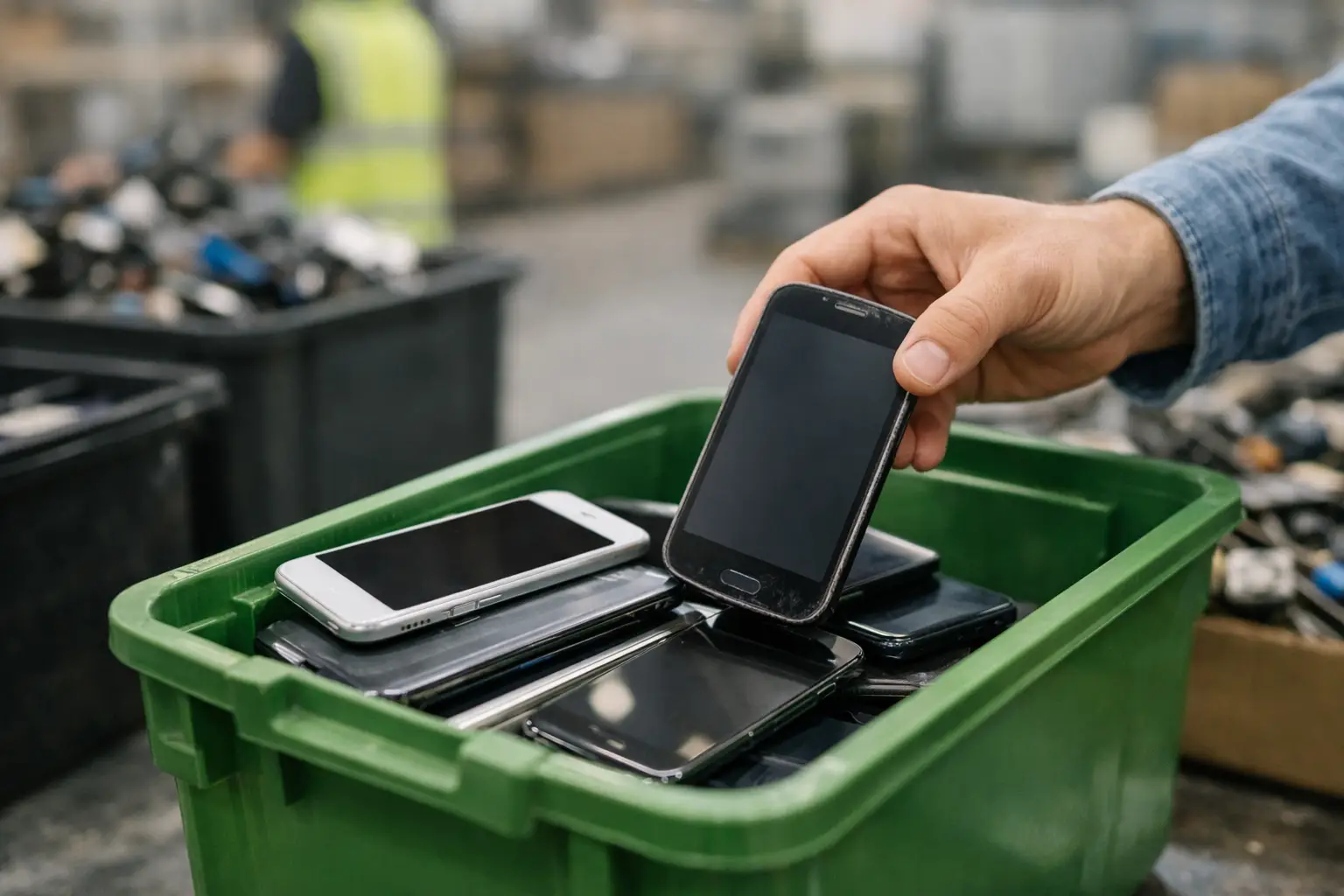
That old phone in your drawer is probably holding more than outdated photos and a cracked screen. It may still contain saved passwords, banking app access, work email, contacts, and years of personal data. So when people ask where to recycle old phones, the real question is usually this: where can I recycle them without creating a data problem or handing them to the wrong person?
The answer depends on the phone’s condition, whether it belongs to a household or a business, and how much assurance you want around data handling. Some options are quick and convenient. Others are better if security matters more than speed. The right choice is not always the nearest drop-off point.
Where to recycle old phones without risking your data
If your phone still powers on, you have more options. If it is dead, damaged, or part of a larger batch of office devices, you need a recycler that understands electronics handling and secure disposal.
For most people, there are four common routes. You can use a manufacturer take-back program, a retail trade-in or drop-off service, a local e-waste collection point, or a professional pickup-based e-waste recycler. All of these can keep phones out of the trash, but they do not offer the same level of accountability.
Manufacturer and retail programs can be fine for single personal devices, especially if convenience is your top priority. The limitation is that the process is often standardized and hands-off. You may not know exactly how the phone is handled after drop-off, and documentation is usually minimal.
Local recycling events and municipal e-waste points can also help, but they are better for straightforward disposal than for sensitive devices. If you are recycling a family member’s old phone, that may be enough. If you are clearing devices from a company, clinic, office, or home business, that level of visibility may not feel sufficient.
A professional e-waste recycler with pickup service is often the better fit when you want a chain of responsibility. That matters more than people think. A phone is a small item, but from a data perspective it can be as sensitive as a laptop.
What makes one phone recycling option better than another
The biggest difference is not where the phone ends up. It is how the device is handled before it gets there.
A good recycling option should make it clear whether they support data wiping, whether they can document collection, and whether the phone is processed through proper downstream recycling channels. If that information is vague, you are being asked to trust a process you cannot see.
For households, the practical concern is usually personal privacy. For businesses, it is broader. Old phones may contain company email, customer records, two-factor authentication access, messaging history, and internal files. Even if the device is several years old, the risk does not disappear just because nobody uses it anymore.
That is why businesses often prefer collection-based IT disposal rather than casual drop-off. It reduces the chances of devices being lost, mixed in with general scrap, or handled without any record.
Before you recycle, prepare the phone properly
No matter where you recycle, basic preparation matters.
If the phone still works, back up anything you want to keep, sign out of your accounts, remove the SIM card, and perform a factory reset. On some devices, you should also remove the memory card if one is installed. This is a good first step, but it is not the same as professional data sanitization.
That distinction matters most for business devices and for phones used to access sensitive accounts. A factory reset is useful, but some organizations prefer a more controlled disposal process because reset procedures vary and users do not always complete every step correctly.
If the battery is swollen, the phone is physically damaged, or the device cannot power on, do not leave it loose in a drawer or toss it in household trash. Damaged phones need proper handling because of the battery risk as well as the electronics inside.
Where to recycle old phones for households
If you only have one or two personal phones, the best option is usually the one you will actually use. A phone that sits in storage for another three years is not being responsibly recycled just because you plan to deal with it later.
Retail take-back locations and approved e-waste recycling points can work well for simple cases. If you are comfortable preparing the device yourself and do not need paperwork, these options are often enough.
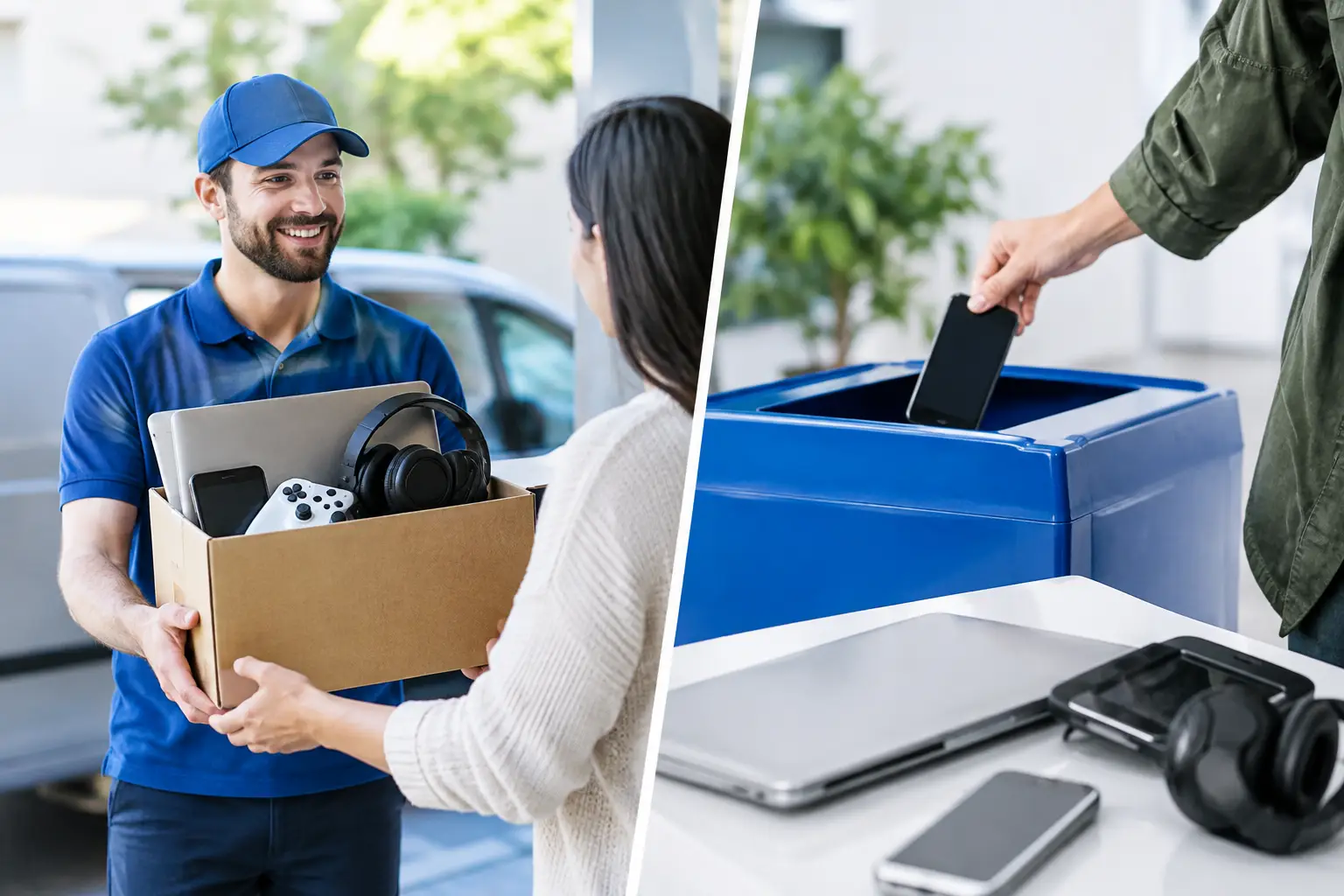
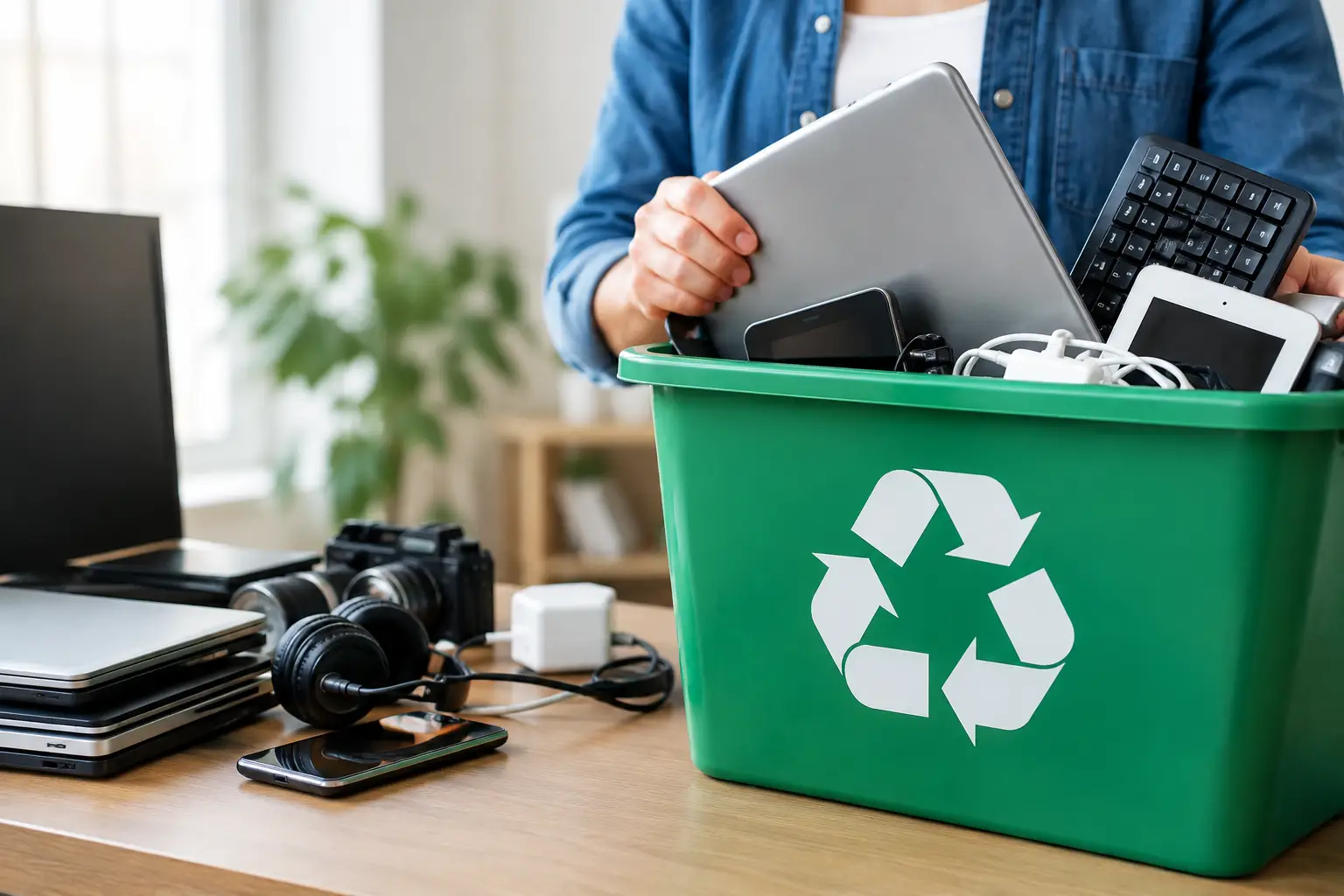
But if you are clearing out multiple devices from home, helping relatives manage old electronics, or dealing with phones mixed in with laptops, tablets, routers, and hard drives, pickup becomes much more practical. You do not have to sort transport, and the devices can be collected together rather than piecemeal.
That is one reason services like MYPC2U appeal to households that want a more secure and convenient process. The value is not only recycling. It is knowing the devices are collected professionally, handled with IT awareness, and moved into the right disposal stream instead of being treated like generic scrap.
Where to recycle old phones for businesses
Businesses should usually think beyond the phone itself. The real job is managing a controlled disposal process.
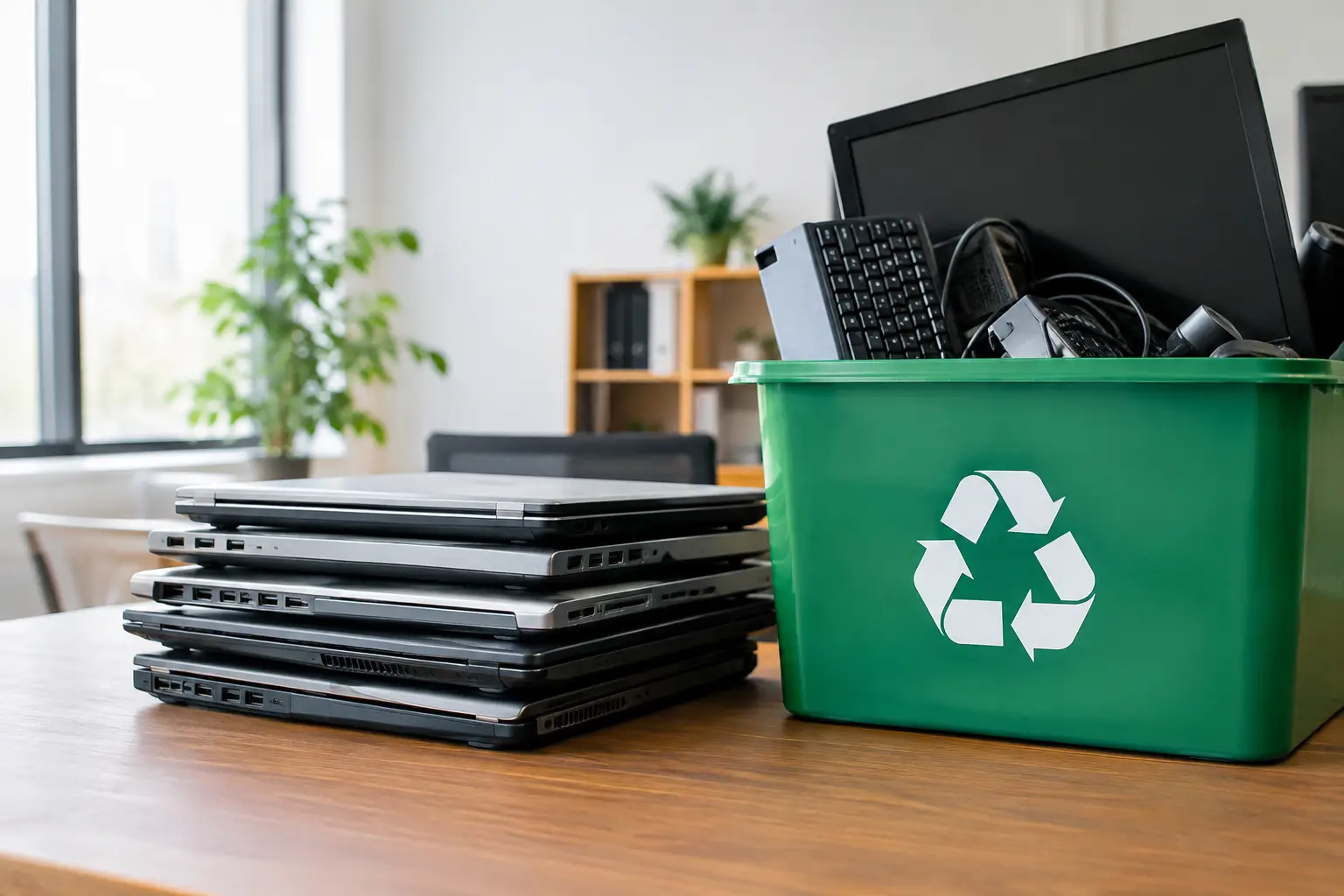
If your office has ten retired smartphones in a cabinet, they are probably not the only devices waiting to go. There may also be old laptops, defective hard drives, network equipment, monitors, or small office electronics. In that case, a professional pickup service is often the most efficient route because it turns a messy cleanout into a scheduled process.
For business users, the most useful recycling partner is one that can verify assets, support secure data wiping where relevant, and provide documented collection. That creates accountability internally as well. Office managers and admin teams often need proof that equipment was removed properly, especially when devices were used by multiple staff members.
There is also a practical time issue. Sending someone across town to drop off old phones is cheap only on paper. Once you factor in staff time, transport, packing, and follow-up, a coordinated pickup can be the simpler option.
Red flags to watch for when choosing a recycler
If a recycler is vague about what happens after collection, be careful. The same applies if they talk only about scrap value and say little about data handling or responsible processing.
Another warning sign is a process with no records at all. For a household, that may be inconvenient. For a business, it can become a governance problem. If you cannot show what was collected and when, disposal becomes hard to verify.
Price-only decisions can also backfire. A recycler offering the easiest cash deal is not always the one offering the safest handling. Sometimes that trade-off is acceptable for low-risk items. Sometimes it is not. Old phones usually fall into the second category because of how much personal and business access they can contain.
The environmental side still matters
Phones contain materials that should not end up in landfills. They also contain recoverable components and metals that can be processed through proper recycling channels. Responsible recycling reduces waste, but it works best when devices are collected through a system that separates reuse, data-sensitive handling, and material recovery properly.
This is another reason informal disposal is a poor option. If you hand old phones to an unknown collector with no process, you may have no idea whether the device is reused, dismantled unsafely, exported improperly, or simply discarded.
A reputable recycler should be able to explain the process in plain language. That does not mean giving you a long technical speech. It means being clear about collection, handling, data considerations, and downstream recycling.
So where should you actually go?
If you have one personal phone, a reputable electronics take-back point may be enough, provided you prepare the device properly first. If you have damaged phones, multiple devices, or anything tied to work data, a professional e-waste recycler is usually the safer choice.
For offices and small businesses, pickup-based IT disposal is often the most practical answer because it combines convenience with better control. For households, it depends on how much you value ease, security, and not having to second-guess where your old device ended up.
The best place to recycle an old phone is not simply the closest one. It is the option that gives you confidence the device was handled responsibly, your data was not left to chance, and the process was clear from collection to final recycling.
If you are standing over a drawer full of retired phones wondering what to do next, choose the option that removes both the clutter and the uncertainty.

Leave a Reply