
That old laptop in the storage room is not just clutter. It may still hold customer records, saved passwords, employee files, or personal photos. That is why choosing between e waste management companies is not really about who will take the equipment away fastest. It is about who will handle your devices properly, protect your data, and give you a clear, accountable disposal process.
For households and businesses alike, electronics disposal often starts with one simple question: who can pick this up? That matters, especially when you have bulky monitors, outdated servers, printers, or a stack of retired office PCs. But convenience alone should not be the deciding factor. The better question is whether the company collecting your devices understands the difference between scrap removal and responsible IT asset disposal.
What e waste management companies actually do
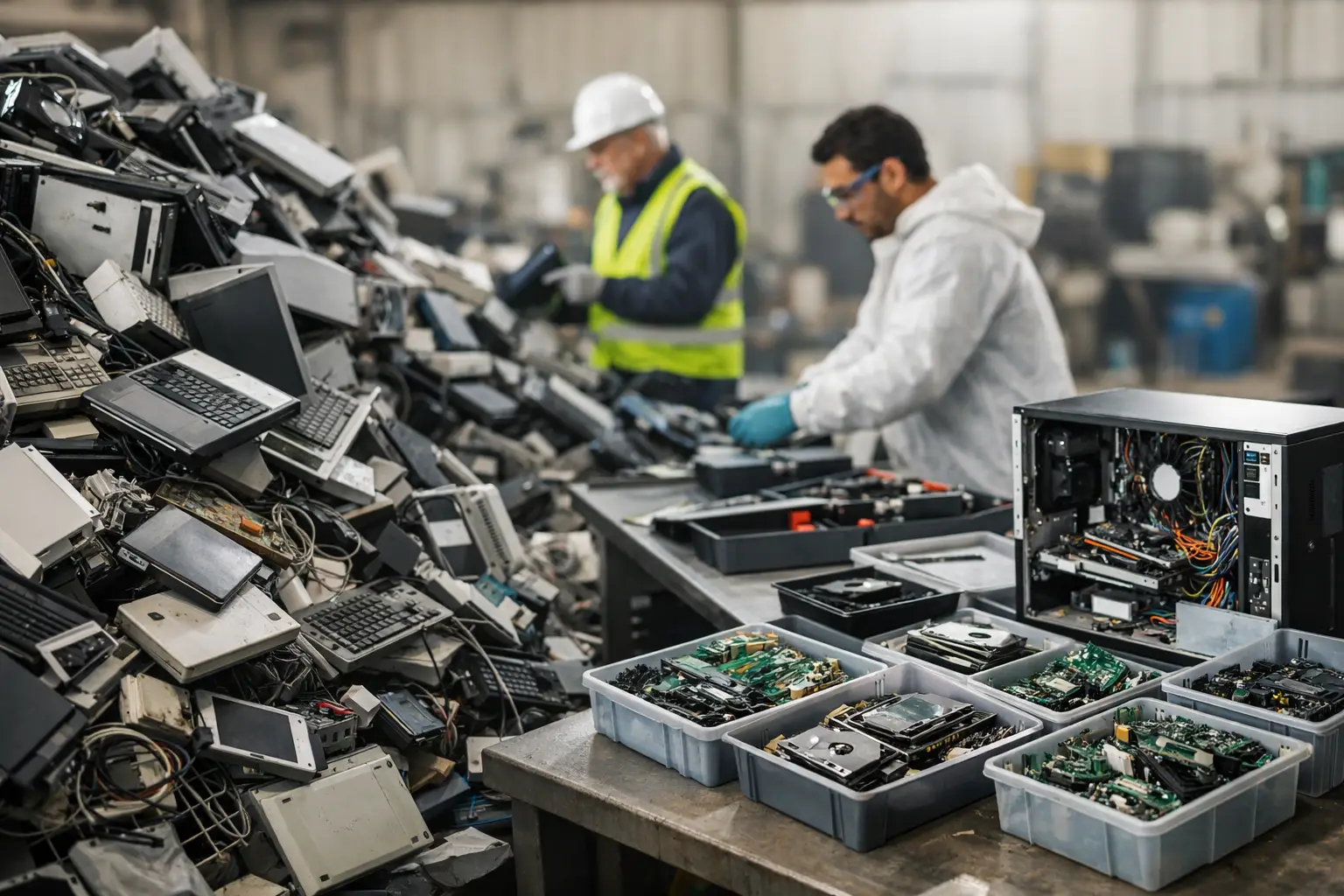
At a basic level, e waste management companies collect unwanted electronics and move them into the recycling stream. That sounds straightforward, but the quality of service can vary a lot. Some operators focus mainly on material recovery. Others provide a more structured service that includes pickup scheduling, asset tracking, secure data wiping, storage media handling, and documented collection records.
That distinction matters when you are disposing of computers, laptops, phones, hard drives, servers, network equipment, and office devices. These are not just piles of mixed waste. They are assets that may contain sensitive information and components that require proper downstream processing.
For a homeowner, this can mean making sure a personal device does not end up in the wrong hands. For an office manager or small business owner, it can mean reducing risk when retiring equipment that once handled finance files, employee data, customer communications, or internal systems.
The biggest difference is not recycling – it is control
Many people assume all electronics recyclers offer roughly the same service. In practice, the biggest differences often show up before recycling even begins. Pickup procedures, chain of custody, data handling, and documentation are where trust is built or lost.
If a company simply arrives, loads everything quickly, and leaves without proper records, that may be enough for low-risk items like broken cables or dead keyboards. It is not enough for laptops, desktops, storage devices, or office IT equipment. Once a device leaves your site, you want clarity on what was collected, how it was handled, and what protections were in place.
That is why service-driven providers tend to stand apart from generic waste collectors. They treat electronics as devices first and scrap second. That means more attention to handling, verification, and secure processing.
What to look for in e waste management companies
The first thing to check is whether pickup is part of the service. For many households and smaller businesses, transport is the hardest part of disposal. Old printers are awkward, servers are heavy, and mixed IT equipment can take time to pack and move. A scheduled pickup removes that friction and lowers the chance that old devices sit around for months.
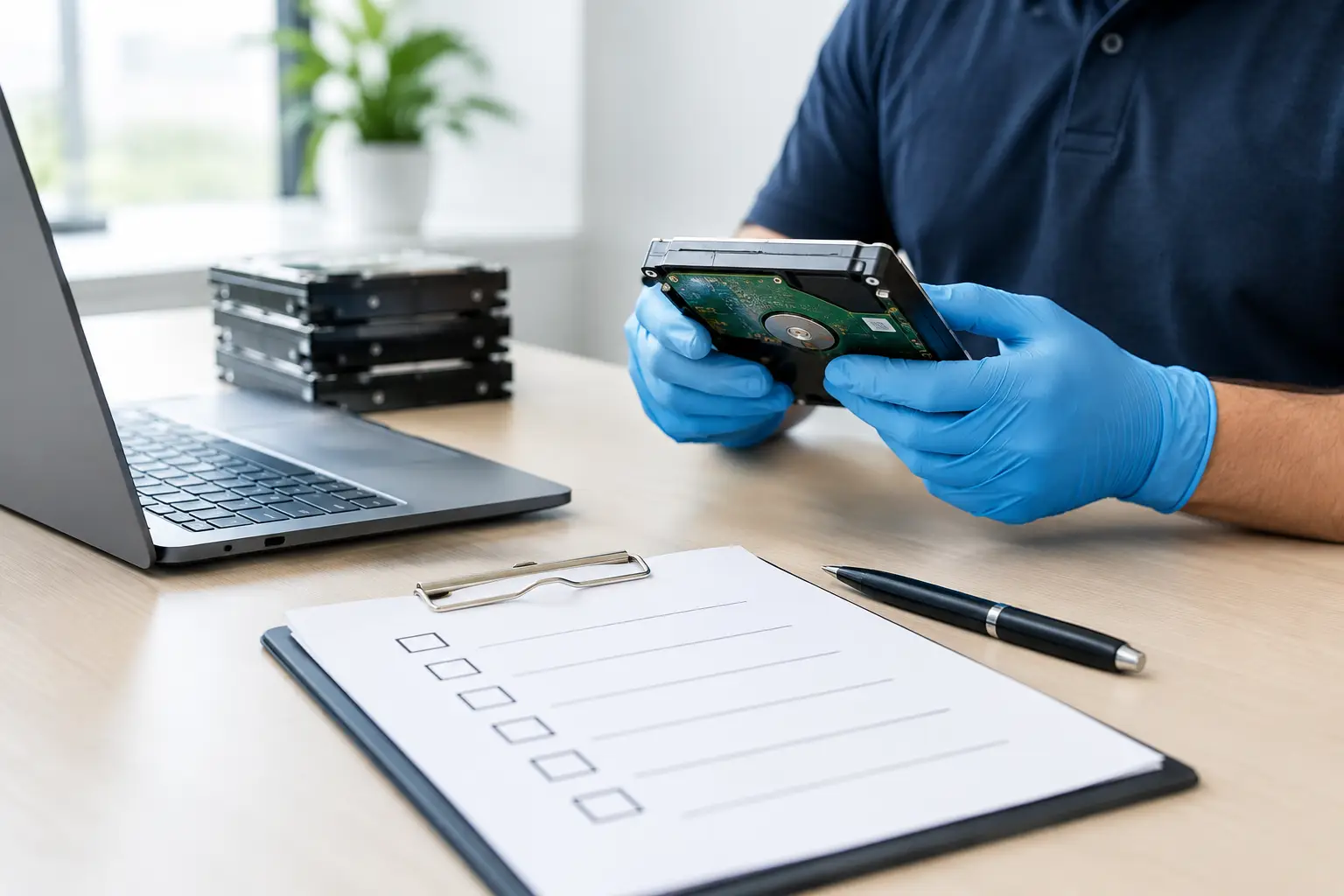
The second thing is data security. This is where many disposal decisions go wrong. People often assume deleting files or doing a factory reset is enough. Sometimes it helps, but it is not always a reliable safeguard. If a company offers secure data wiping, drive handling support, or hard drive destruction coordination, that shows a stronger understanding of the risks involved.
The third is documentation. A proof of collection or documented pickup record is especially useful for businesses that need internal accountability. Even smaller offices benefit from having a basic record of what left the premises and when. It keeps the process organized and reduces uncertainty later.
The fourth is the downstream process. Not every collector recycles in the same way. Some work with licensed recyclers for final processing, which is generally a better sign than vague claims about disposal. You do not need a chemistry lesson on recycling methods, but you do want confidence that your equipment is being sent through a legitimate channel.
Why businesses need more than basic collection
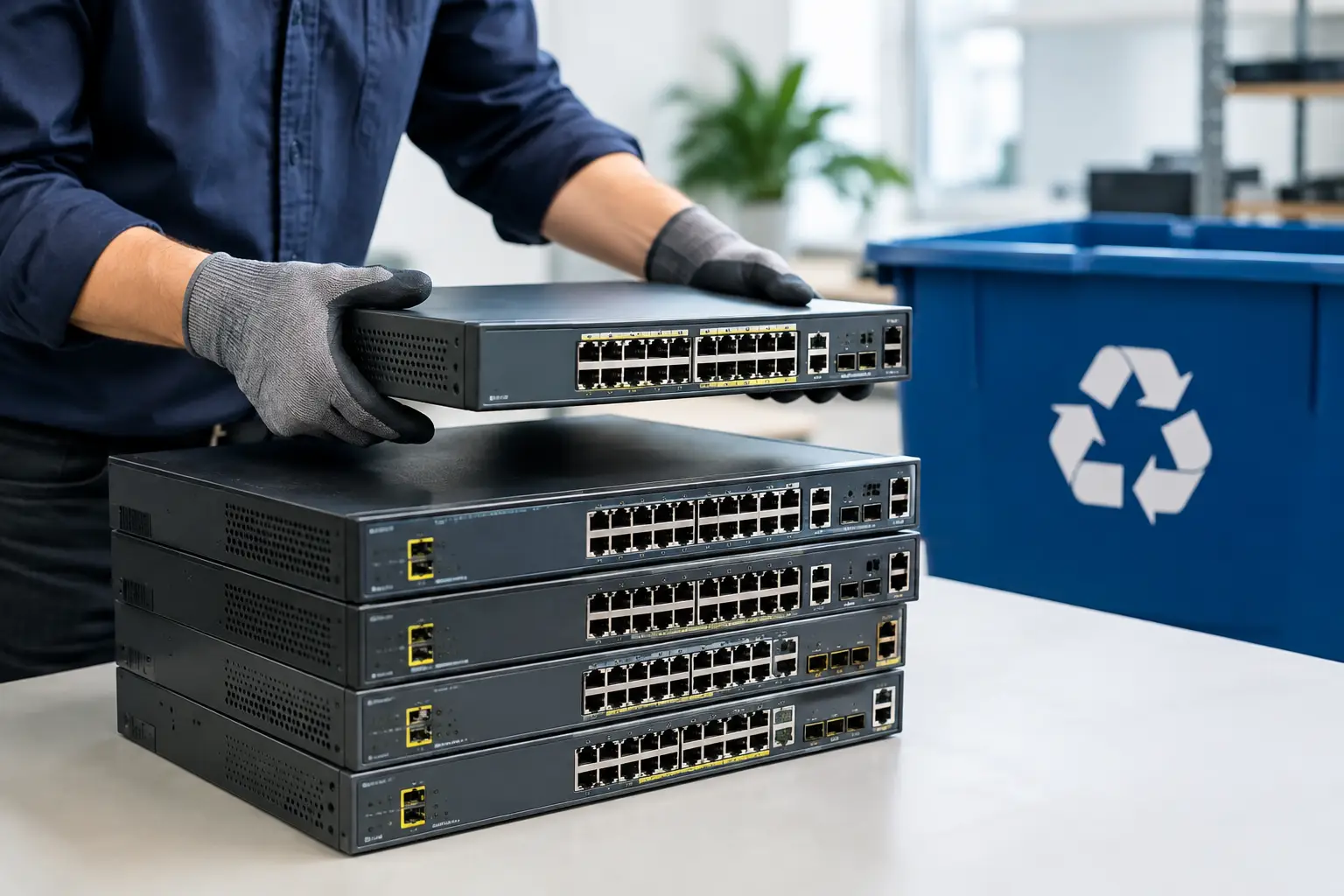
Business electronics disposal usually involves more than volume. It involves process. An office clearing out ten outdated laptops, three servers, network switches, phones, and backup drives needs a disposal partner that can work in an organized way.
That often includes verifying what is being picked up, separating storage-bearing devices from general electronic equipment, and making sure no machine disappears into an undocumented pile. It also means understanding that business customers may need scheduling that does not disrupt operations.
For small and midsize companies, this kind of support is especially useful because they may not have an internal IT asset disposal procedure. The admin team is left to figure it out, and that creates avoidable risk. A provider with actual IT handling experience brings more confidence to the process because they understand what is likely stored on each device and why careful handling matters.
Households have data risks too
It is easy to think secure disposal is mostly a business concern, but homes are full of data-bearing devices. Old laptops, desktops, tablets, phones, Wi-Fi routers, and external drives can all contain personal information. Tax files, scanned IDs, saved banking logins, family photos, and email access may still be recoverable depending on the device and its condition.
So while households may not need formal asset reporting, they do need a trusted collection service that takes data protection seriously. That is one reason local pickup-based providers are appealing. Instead of handing devices over to an unknown middleman or leaving them in a general recycling area, you have a more direct and accountable process.
Red flags to watch for
If an electronics collector is vague about what happens after pickup, that is a warning sign. The same goes for anyone who cannot explain how data-bearing devices are handled. Low prices or fast collection may sound attractive, but they are not the whole picture.
Be cautious if there is no documented pickup, no discussion of data wiping, and no clear explanation of recycling partners or disposal steps. Informal collectors may still remove the items, but removal is only one part of the job. The more sensitive the equipment, the more that gap matters.
Another red flag is treating every device the same way. A broken fan and a company laptop do not carry the same risk. A service provider that understands electronics disposal should reflect that in how they speak about collection and handling.
Why local service matters
For customers in busy urban areas, local service is not just about distance. It is about responsiveness and practicality. When a business is clearing a storeroom or replacing office equipment, it helps to work with someone who can schedule pickups, communicate clearly, and handle items professionally on site.
That local, service-first model is where a company like MYPC2U stands out. The value is not only that equipment gets collected from your doorstep. It is that the process is built around secure handling, pickup documentation, and IT-aware disposal support rather than simple scrap collection.
This is particularly useful for customers who want a straightforward answer to common concerns: Can you collect from the office or home? Do you handle laptops, servers, drives, and office electronics? Is there secure data wiping support? Will I have a record of the pickup? Those practical questions matter more than broad claims.
Choosing the right partner for your equipment
The best choice depends on what you are disposing of. If you only have a few low-risk accessories, a basic recycling option may be enough. If you have computers, storage devices, phones, office machines, or a mixed batch of retired IT assets, it makes sense to choose a provider with stronger controls.
Look for a company that combines convenience with accountability. Pickup should be easy to arrange. Data protection should be part of the conversation, not an afterthought. Documentation should be available, especially for business customers. And the company should be able to explain its process in plain English.
That last point matters. Good service is not about making disposal sound complicated. It is about making a potentially sensitive job feel clear, safe, and manageable.
Old electronics should not sit around waiting for the right time to deal with them. A reliable disposal partner makes it easier to act now, clear space, and move equipment out with confidence instead of guesswork.




Leave a Reply