
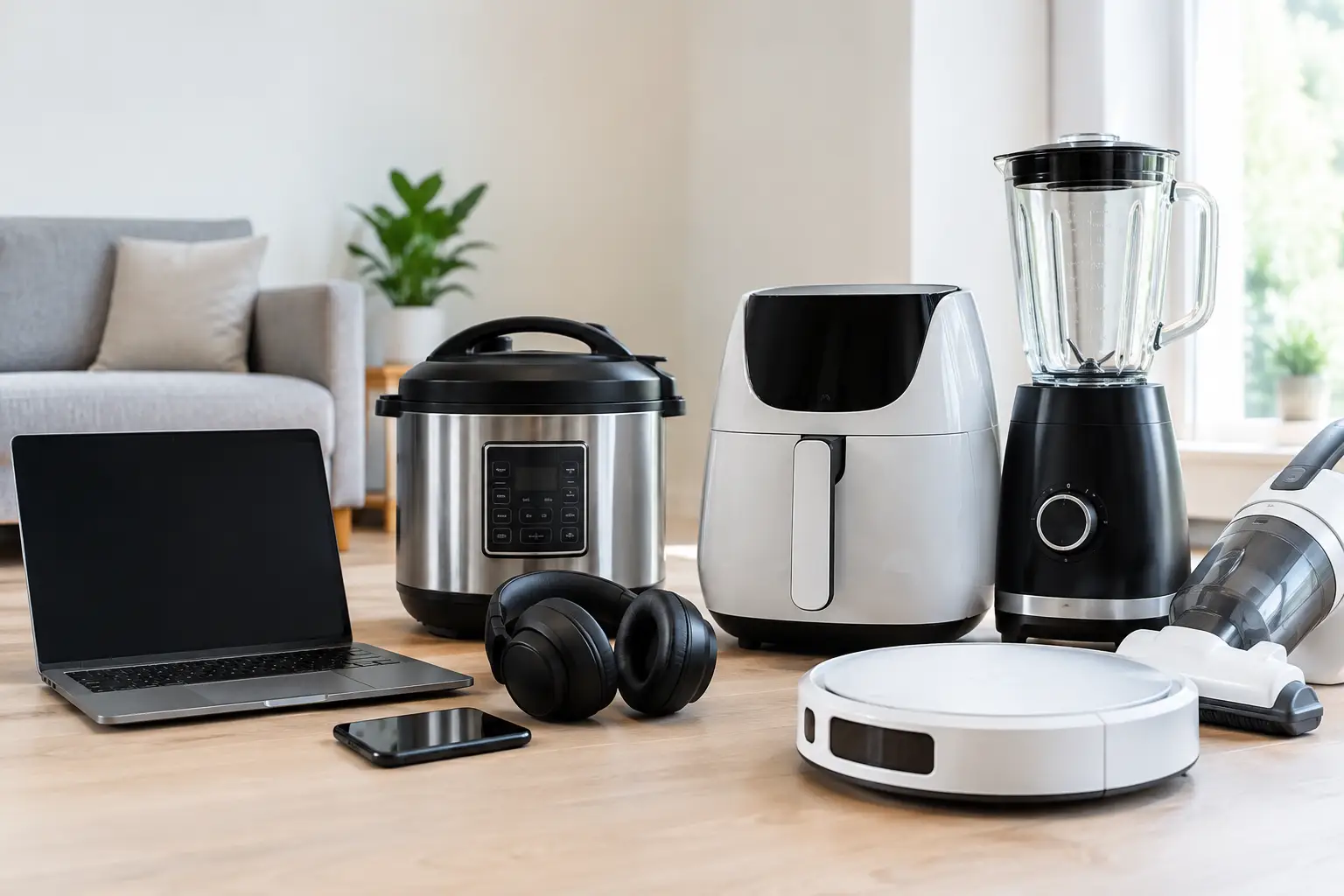
An old laptop in a closet, a cracked phone in a drawer, and a printer that has not worked for years can feel harmless sitting at home. But household electronics pickup benefits go beyond clearing space. A professional collection service helps you remove devices safely, protect personal information, and send equipment into a responsible recycling process without making a trip to a recycling center yourself.
For households, the challenge is rarely deciding that an old device should go. The harder part is knowing where it should go, whether the data is still recoverable, and how to move heavy or awkward equipment. A scheduled pickup gives you a practical answer to all three.
1. Pickup saves the trip and the heavy lifting
Some electronics are easy to carry out. A few phones, cables, or a small router can fit in a bag. Old desktop computers, monitors, printers, and UPS units are another story. They take up space, can be difficult to load safely into a car, and may not be accepted at every collection point.
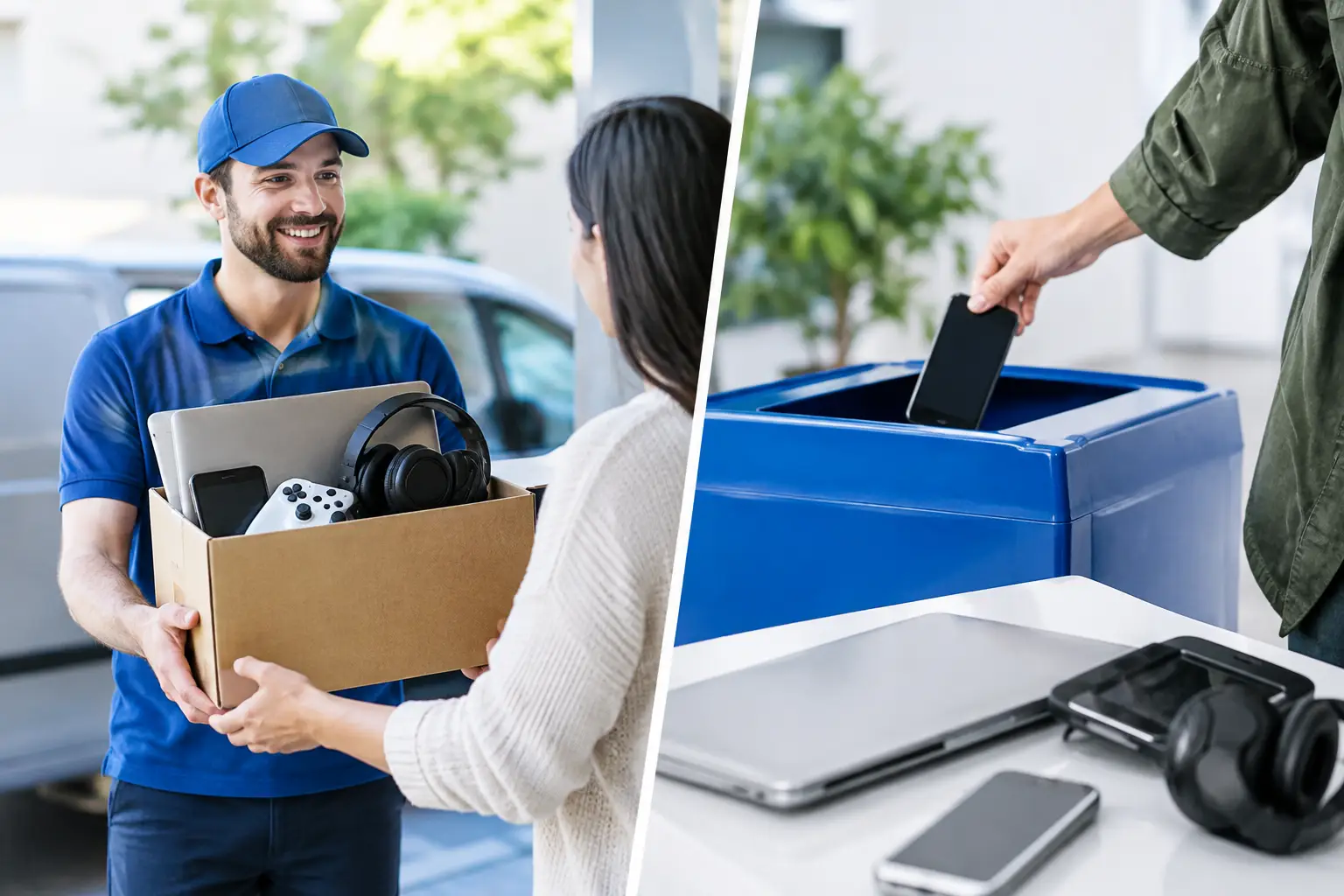
Pickup removes that logistical burden. You can arrange collection from your home, gather the equipment in one accessible area, and let trained handlers take it from there. This is especially useful when you are clearing a home office, helping a family member downsize, moving house, or replacing several devices at once.
Convenience does not mean rushing the process. A reliable pickup provider should confirm what equipment is being collected and provide clear coordination before arrival. That gives you more control than leaving electronics at an informal drop-off point or handing them to an unknown collector.
2. Your personal data gets the attention it deserves
A computer that will not turn on may still contain files. The same is true for old laptops, external hard drives, tablets, phones, network storage devices, and even some printers. Saved passwords, photos, tax documents, scanned IDs, email archives, and browser data can remain on a device long after you stop using it.
Deleting files is not always enough. Emptying the recycle bin, resetting a device, or reformatting a drive may leave information recoverable with the right tools. That is why data protection should be part of your disposal decision, not an afterthought.
Professional household pickup can include secure data wiping for eligible storage devices. MYPC2U uses DoD 5220.22-M 3-pass data wiping as part of its secure handling approach. For devices that cannot be wiped or are no longer functional, proper destruction support for hard drives can provide another layer of protection.
The best approach depends on the device’s condition and the information it held. A working laptop may be suitable for verified wiping, while a failed hard drive may require a different handling method. Asking this question before collection is far safer than assuming an old device contains nothing valuable.
3. Responsible recycling keeps electronics out of the wrong waste stream
Household electronics are not ordinary trash. They can contain metals, plastics, circuit boards, batteries, glass, and components that need proper separation and processing. Throwing them into general waste creates unnecessary environmental risk and wastes materials that may be recoverable.
Responsible recycling routes usable materials to the right downstream channels and helps keep electronic waste out of landfills. This matters for one old computer, but it matters even more when a household has accumulated years of retired devices in cabinets and storerooms.
Not every item will be recycled in exactly the same way. A phone, printer, monitor, battery-backed UPS, and networking device have different components and recycling requirements. A professional provider coordinates with licensed recyclers for downstream processing rather than treating every item as generic scrap.
That distinction is important. The goal is not simply to make unwanted electronics disappear. It is to ensure they are handled in a manner that is accountable, appropriate, and safer for the environment.
4. Documented collection gives you peace of mind
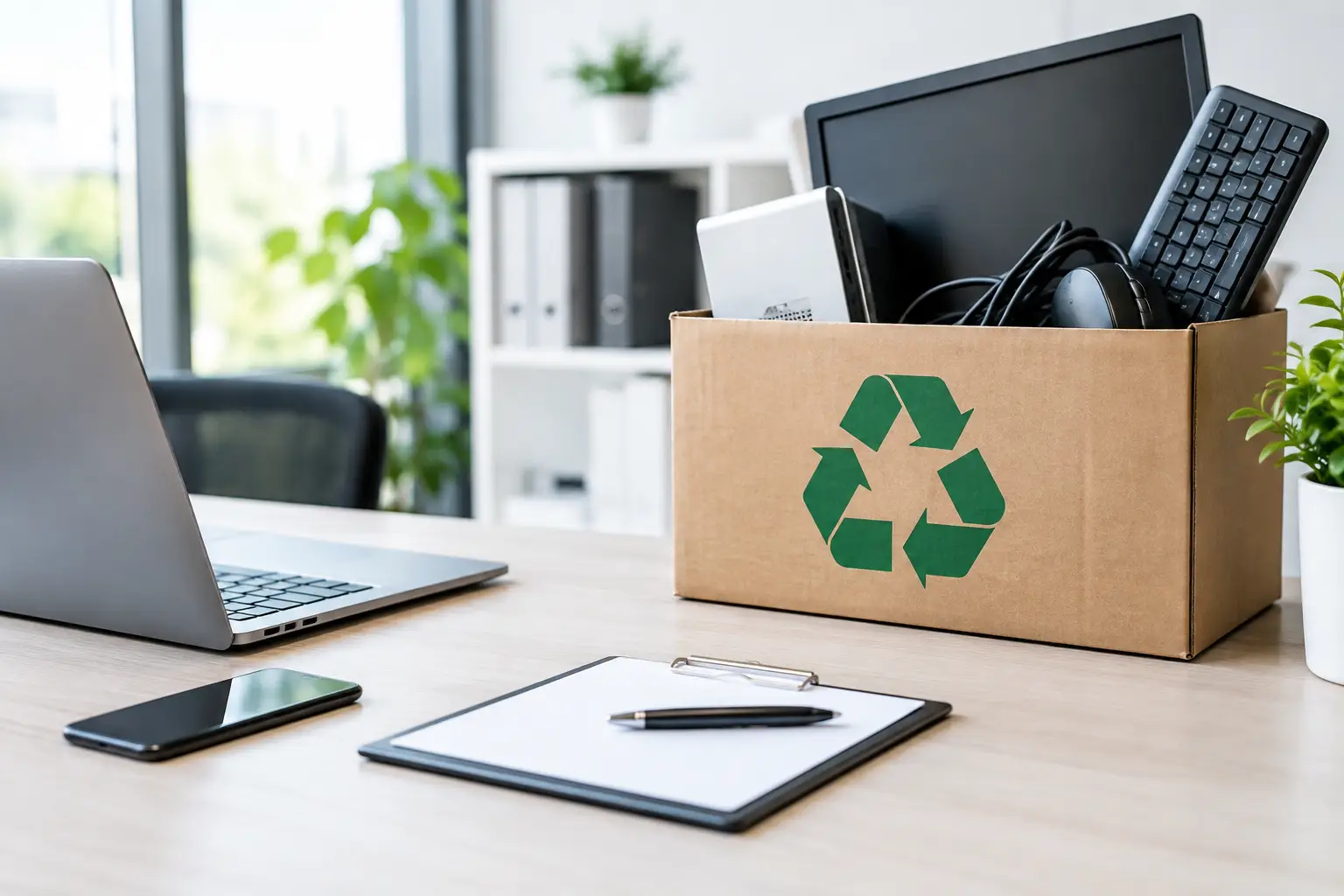
When you hand over devices that may contain personal information, it is reasonable to want a record of what left your home. Documented pickup records create a clearer chain of handling and help you keep track of equipment that has entered the recycling process.
For a household, this can be as simple as knowing the old laptop, phone, and printer were collected on a certain date. For people managing a home business or handling a relative’s devices, that added clarity can be especially reassuring.
A proof of collection also separates a professional service from an informal arrangement. If someone offers to take your electronics with no confirmation, no discussion of data, and no explanation of where items go next, you have little visibility after the equipment leaves your property.
5. Pickup makes it easier to clear out more than one device
Electronic clutter builds quietly. A household may have a retired desktop, two old laptops, a box of chargers, an unused router, several phones, and a printer that stopped working years ago. Individually, each item seems too small to deal with. Together, they become a pile that keeps getting postponed.
Scheduled collection creates a useful deadline. Before pickup, you can check drawers, cupboards, home office shelves, and storage areas for devices that are no longer in use. This helps prevent old electronics from sitting around for another year simply because disposal feels inconvenient.
It is also a chance to separate items you want to keep from items that are ready to go. Remove accessories you still use, such as a monitor cable or power adapter, but do not feel pressured to make everything look complete. A professional pickup team can advise on the types of equipment accepted and how they should be prepared.
6. IT-aware handling is better than treating devices as scrap
Electronics can look like scrap from the outside, but many contain storage media, configuration information, company files, or personal accounts. This is why IT-aware handling matters, even for ordinary household equipment.
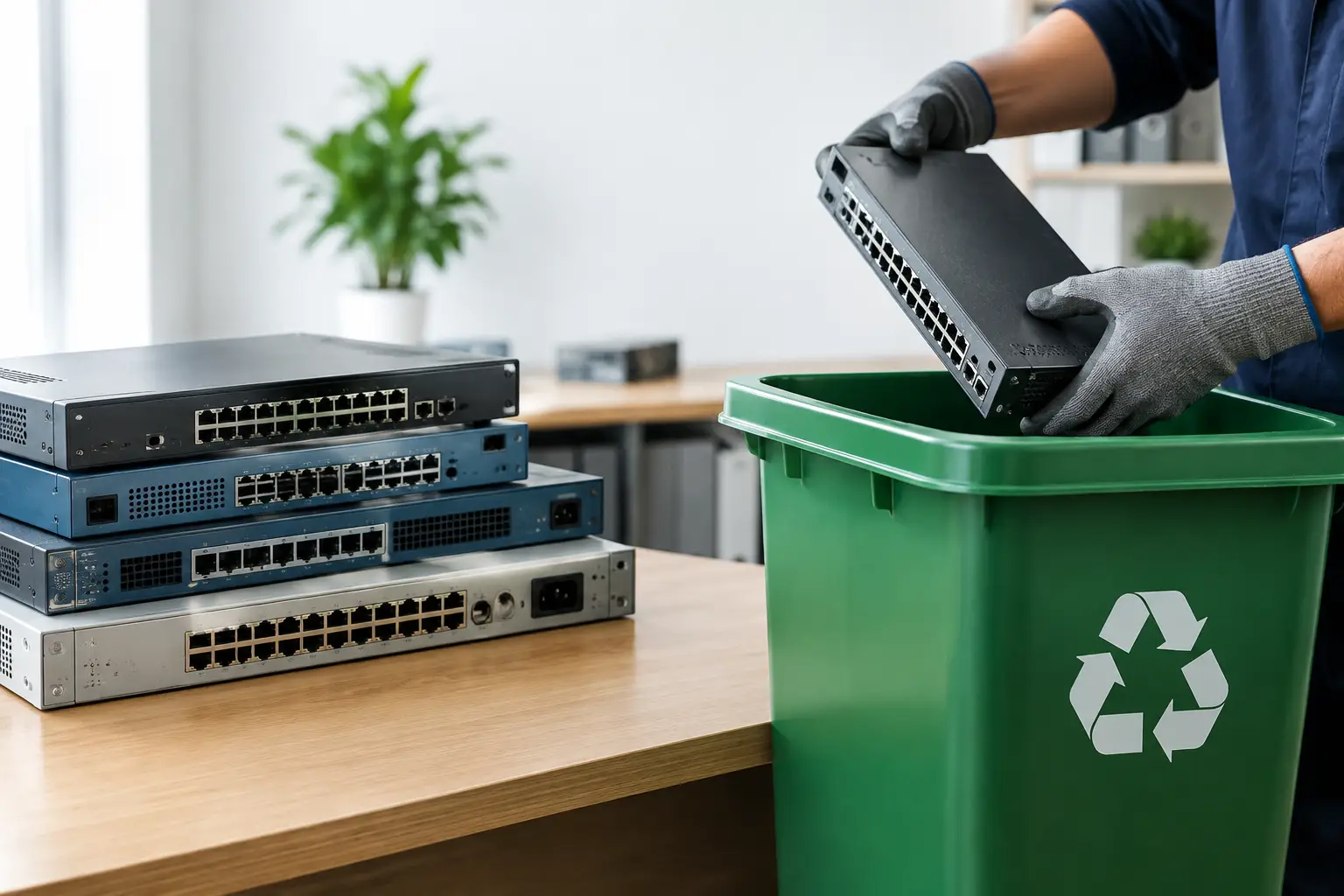
A knowledgeable provider recognizes the difference between a desktop tower, a server, a network switch, a laptop with a built-in drive, and an external storage device. That awareness helps ensure equipment is assessed appropriately before recycling.
This benefit is particularly relevant for remote workers, small business owners, and households that have inherited office equipment. A former work laptop or retired network device may contain more sensitive information than expected. Professional collection gives these assets the same careful attention they would receive in a business disposal process.
7. Household electronics pickup benefits local homes and busy schedules
For residents in Kuala Lumpur and Selangor, traffic, limited vehicle space, and full schedules can make responsible disposal easy to delay. Doorstep collection turns a task that could take several hours into a planned appointment.
The service is most valuable when it fits your real situation. If you only have one low-value cable and a nearby authorized collection point, dropping it off may be perfectly reasonable. But pickup becomes the practical choice when you have multiple items, bulky equipment, storage devices, or concerns about data security.
Before collection, make a quick inventory of what you are giving away. Sign out of accounts where possible, remove SIM cards from phones, and set aside any device you are not certain you want to recycle. If a device contains important files, discuss data wiping or drive handling in advance rather than making assumptions on pickup day.
A cleared shelf or closet is useful, but the greater value is knowing the equipment left your home through a process designed for secure handling and responsible recycling. That is a better ending for old electronics than leaving them forgotten in a drawer.

Leave a Reply