
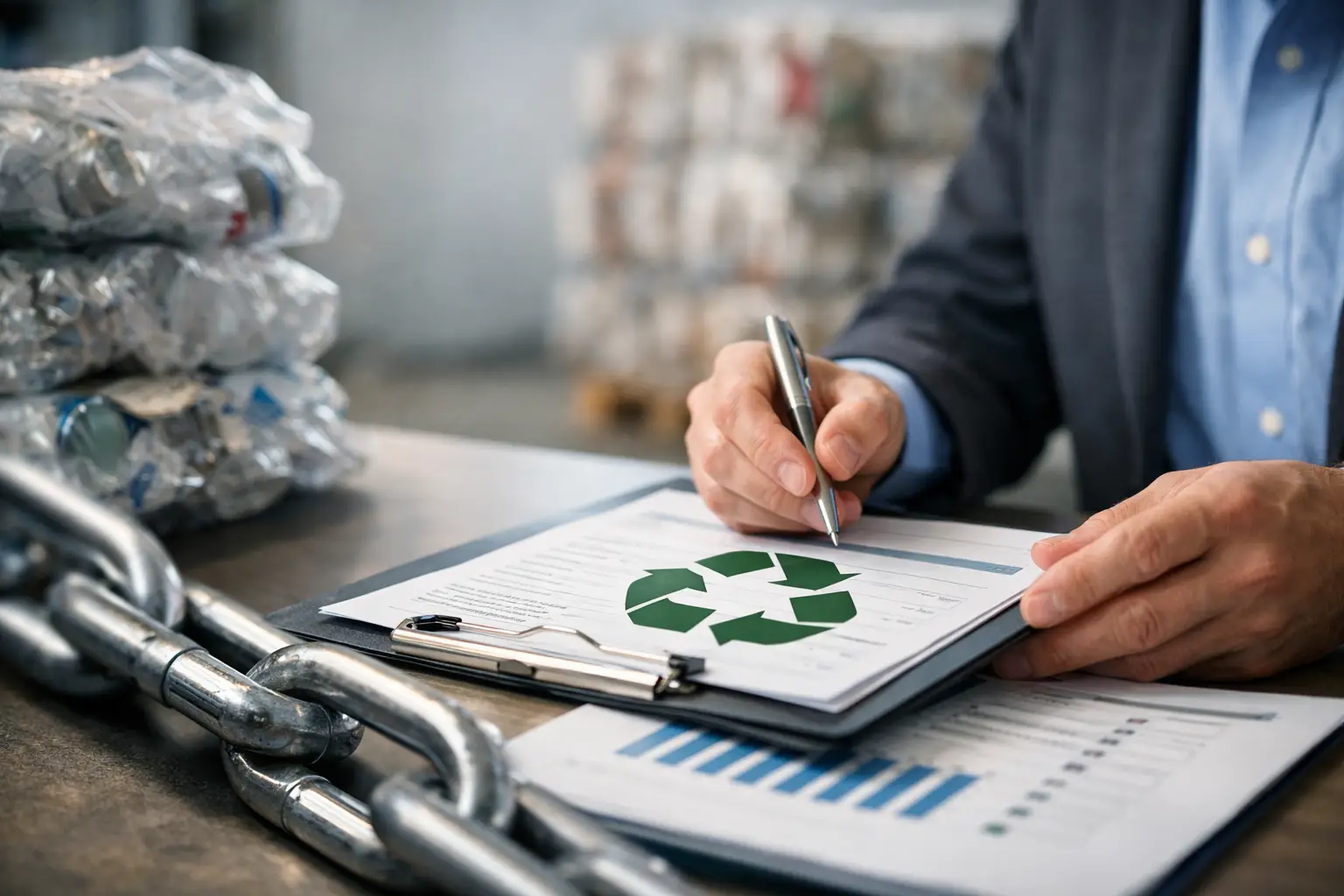
A retired laptop can look harmless sitting in a storeroom, but it may still contain customer files, saved passwords, employee records, or financial data. Once that device leaves your office or home, the question is no longer just whether it will be recycled. You need to know who received it, how it was handled, and what happened next. That is the value of chain of custody recycling.
For businesses replacing a batch of computers or households clearing out old electronics, a documented handling process turns disposal from an uncertain handoff into an accountable service. It creates a record from pickup through secure data handling and responsible downstream recycling.
What Chain of Custody Recycling Means
A chain of custody is a documented record of possession and transfer. In electronics recycling, it tracks equipment from the moment it is collected until it reaches the appropriate processing stage. The record may identify the customer, pickup date, equipment type, quantities, serial numbers when needed, and the parties responsible for handling the items.
Think of it as a clear paper trail for unwanted IT equipment. If your company disposes of laptops, servers, hard drives, phones, printers, or network hardware, you should be able to show that those items were collected intentionally and handled through an organized process.
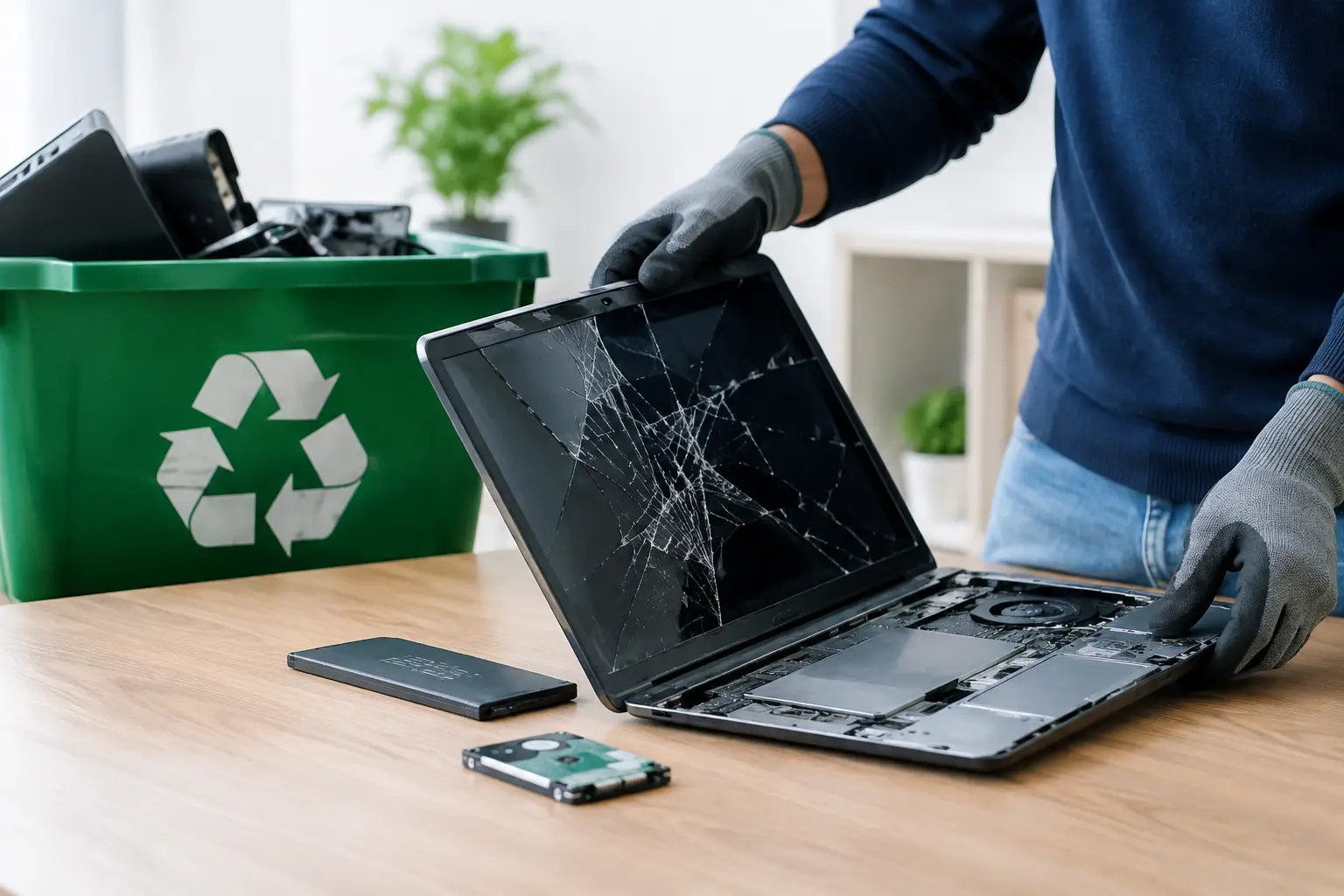
This matters because electronics do not become risk-free simply because they are old, damaged, or no longer in use. A broken computer may still have a working storage drive. A company phone can retain email access. A server removed from a rack may contain years of sensitive business information.
Why a Documented Pickup Matters
A pickup receipt or collection record is often the first link in the chain. It confirms that designated equipment has left your premises and been accepted by the collection provider. For an office manager, that can prevent confusion when several departments are involved. For a business owner, it provides a practical record for internal asset management and disposal procedures.
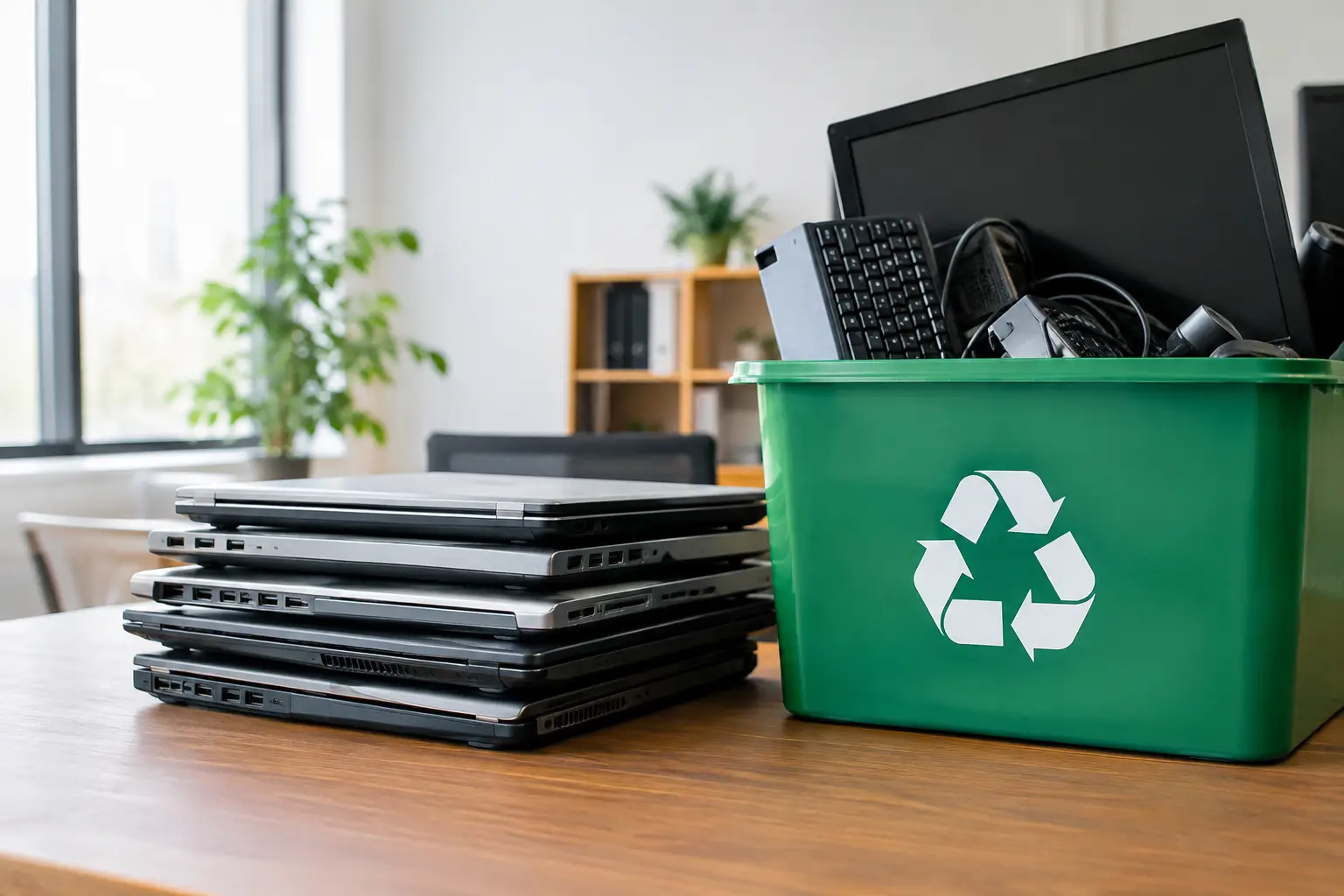
Documentation is especially useful when equipment is collected in volume. Twenty laptops, several monitors, a server, and a box of cables can be difficult to track once they are loaded into a vehicle. A clear record helps establish what was collected, when it was collected, and for whom.
For households, the benefit is simpler but still meaningful. You gain confirmation that personal electronics were handed to a professional service rather than left with an informal collector whose handling process is unclear.
A good chain of custody does not have to be complicated. It needs to be consistent, specific enough for the equipment involved, and available when you need it.
Data Security Is a Separate Part of the Process
Collection records are essential, but they are not the same as data destruction. This distinction is easy to miss.
A documented pickup proves that a device was collected. Secure data wiping or physical hard drive destruction addresses the data that may remain on it. Businesses should consider both, particularly for laptops, desktops, servers, external drives, and mobile devices.
Depending on the device condition and your policy, secure overwriting may be appropriate. A recognized multi-pass process, such as DoD 5220.22-M 3-pass data wiping, can be used on supported storage media to remove recoverable data before the equipment moves on for reuse or recycling. Where a drive has failed, cannot be reliably wiped, or contains particularly sensitive information, physical destruction may be the better choice.
The right method depends on the media type, device condition, sensitivity of the information, and your organization’s internal requirements. Solid-state drives, for example, need methods suited to their technology. Simply deleting files or performing a basic reset should not be treated as proof of secure erasure.
What a Reliable Process Should Cover
For most households and small-to-mid-sized businesses, chain of custody recycling should include four practical controls:
- Scheduled collection: A defined pickup arrangement means devices are transferred directly instead of being left in an unsecured common area or moved through multiple unknown parties.
- Equipment verification: The collector records the device categories and quantities, with more detailed asset identification available when required for business equipment.
- Secure handling: Devices containing data are identified for wiping, destruction support, or controlled processing based on the agreed service.
- Documented downstream processing: Equipment is directed to appropriate recycling channels, with licensed recycling partners used for final processing where applicable.
These controls are not only for large corporations. A five-person office with a few old laptops has the same basic obligation to protect employee and customer information as a larger organization. The scale changes, but the risk does not disappear.
When Asset Records Need More Detail
Not every pickup requires serial-number-level reporting. If a household is recycling a damaged toaster, an old monitor, and a basic keyboard, a general collection record may be enough. If an office is retiring assigned laptops and company phones, more detail is usually worthwhile.
Asset verification can help businesses reconcile equipment against their inventory, identify devices that require data wiping, and show that retired IT assets were removed through an approved process. It is particularly helpful during office moves, staff departures, hardware refreshes, and server-room cleanouts.
The trade-off is administrative effort. Detailed asset lists take more time than counting general mixed electronics. For low-risk items, excessive documentation may add little value. For devices that held business data or were assigned to employees, the additional record is often well worth it.
Questions to Ask Before You Hand Over Electronics
You do not need to be an IT specialist to evaluate an electronics recycling service. Start with direct questions about the actual handling process.
Ask whether the provider offers pickup documentation, how data-bearing devices are separated from general e-waste, and whether data wiping or drive destruction support is available. Ask what information will appear on your collection record. If the equipment is from a business, ask whether device verification can be coordinated before or during pickup.
You should also ask where materials go after collection. Responsible providers coordinate with appropriate downstream recyclers rather than treating collection as the end of the job. This is where disposal transparency matters. A low-cost collector may be convenient, but convenience without records, secure handling, or a clear processing route can create unnecessary exposure.
Price is still a reasonable consideration. Some electronics have recoverable value, while others require more handling because of size, condition, batteries, or data-security needs. The lowest quote is not always the lowest-risk option when old devices contain confidential information.
A Better Fit for Office Clear-Outs and Home Pickups
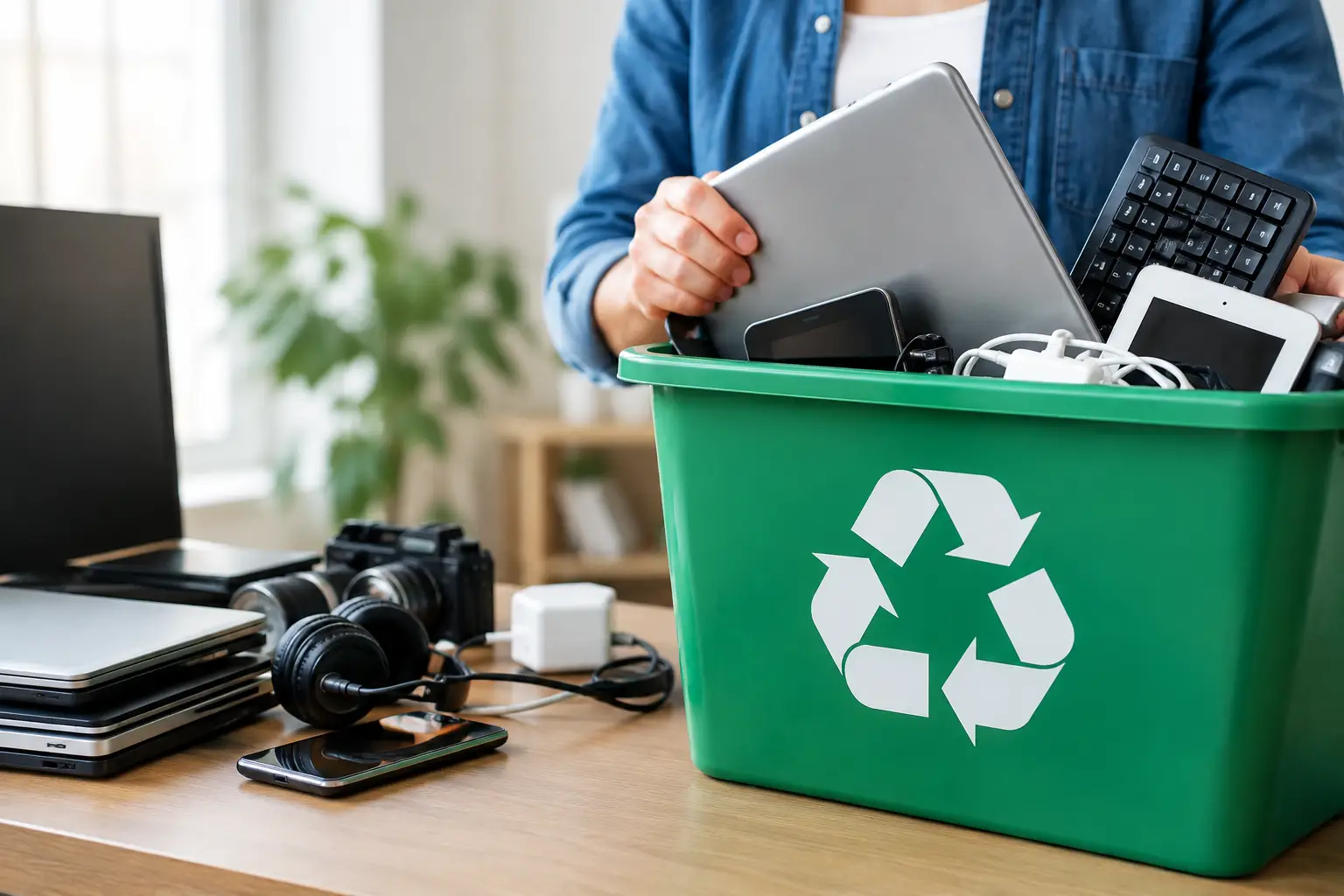
The strongest recycling process is one that matches the equipment and the customer’s level of risk. A household may need a convenient pickup for old computers, phones, cables, and small electronics, plus reassurance that personal data will not be overlooked. A business may need scheduled collection, asset verification, secure wiping, and records that support internal controls.
MYPC2U approaches both situations as an IT-aware disposal service, not a scrap collection job. That means considering what is inside the device as well as what the device is made of. Computers, servers, storage media, and network hardware deserve controlled handling because they can carry information long after their useful working life has ended.
Before pickup, set aside any equipment you plan to keep, remove accessories that belong to active devices, and identify items that may contain sensitive data. For a business collection, assign one contact person who can confirm the equipment list and receive the pickup documentation. These small steps make the handoff cleaner and reduce the chance that an active device is included by mistake.
Accountability Should Continue After the Device Leaves
Responsible electronics recycling is not just about clearing space. It is about being able to account for the journey from your desk, closet, or server room to proper processing. Chain of custody records, secure data handling, and an organized pickup process give you a practical way to do that.
When you are ready to let go of old electronics, choose a collection partner that can explain the handoff clearly and document it properly. That confidence is worth more than simply making the equipment disappear.

Leave a Reply