
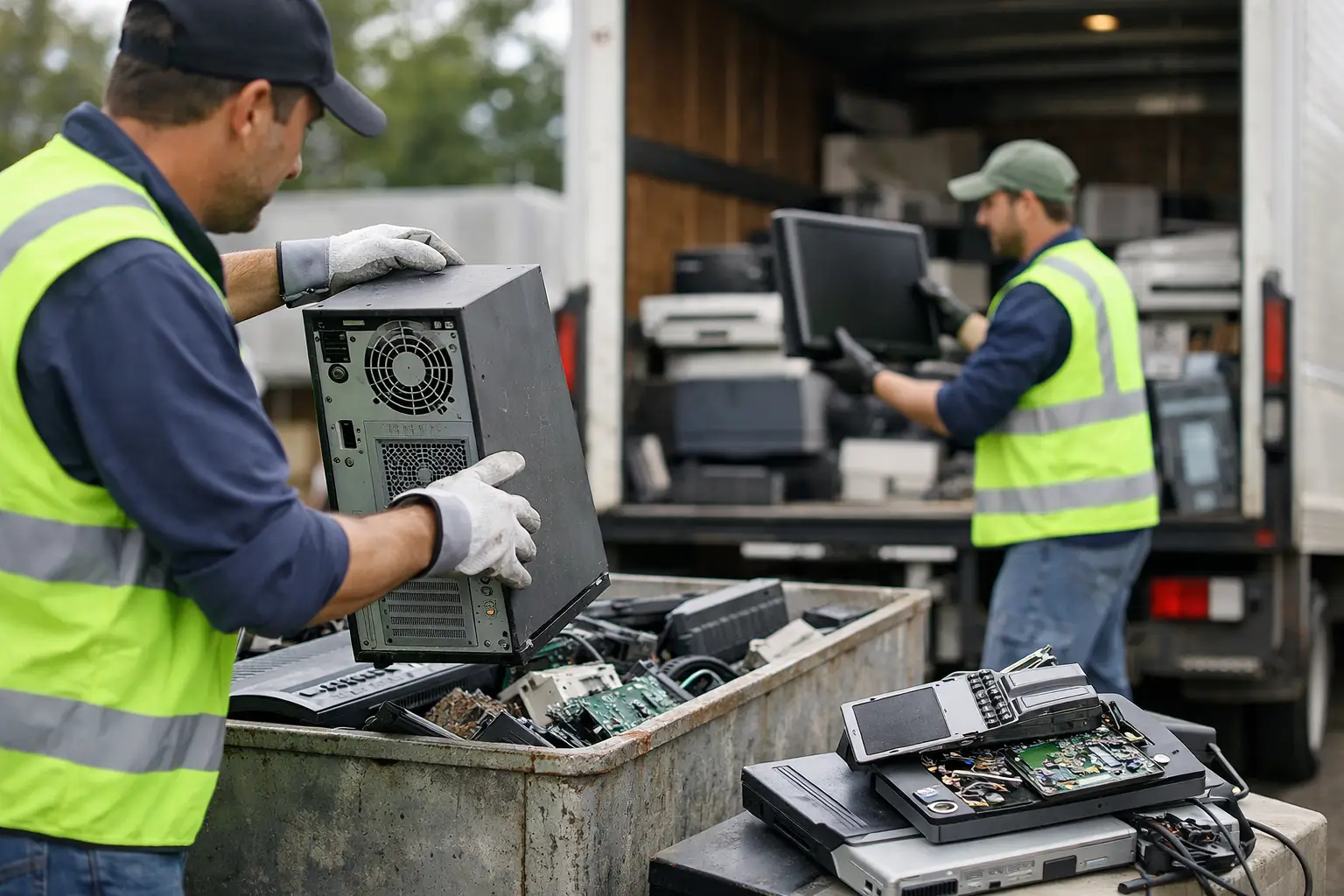
A stack of retired laptops in a storeroom usually sits there for the same reason – nobody wants to guess what to do with the data, the transport, or the liability. That is exactly where on site e waste recycle services make a real difference. Instead of treating old electronics like general junk, this approach handles them as assets that need secure collection, careful tracking, and responsible recycling.
For both households and businesses, the appeal is simple. You do not have to load heavy equipment into a car, leave devices with an unknown buyer, or hope sensitive information is no longer accessible. The collection happens at your location, the devices are handled by people who understand IT equipment, and the process is built around convenience and accountability.
What on site e waste recycle services actually include
The phrase can sound broader than it is, so it helps to define it clearly. On site e waste recycle services usually mean a scheduled pickup of unwanted electronics from your home, office, shop, or facility, followed by secure handling and transfer for recycling or disposal through the proper channels.
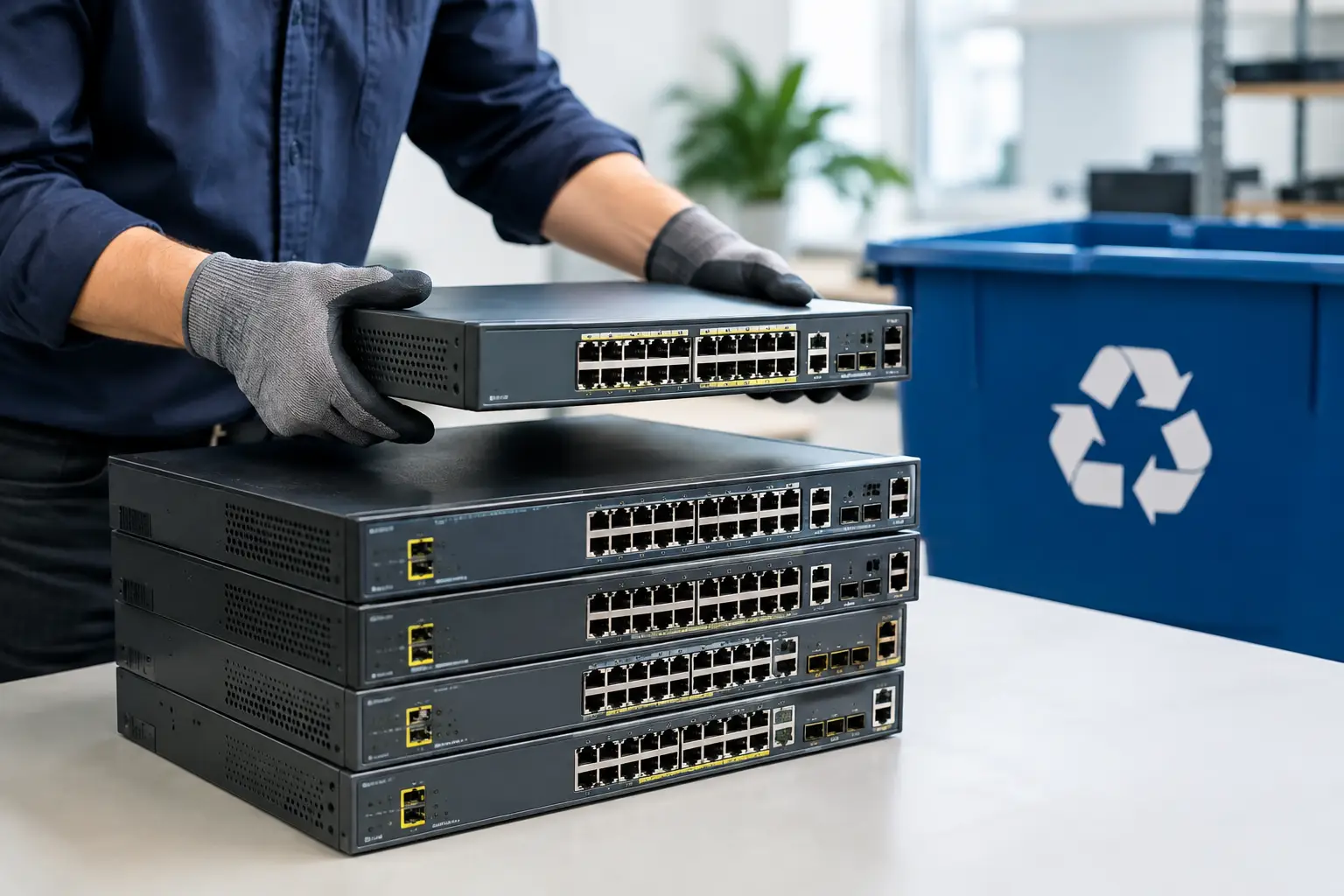
In practice, that often includes desktop computers, laptops, monitors, printers, phones, servers, networking equipment, storage devices, cables, and small office electronics. Some providers also support data wiping, hard drive destruction coordination, basic asset listing, and proof that the items were collected.
That last part matters more than many people expect. If your office is clearing out ten old workstations, you may need a record for internal controls. If you are disposing of family devices at home, you want confidence that they were not simply picked apart by an informal scrap collector and left to circulate through unknown hands.
Why pickup matters more than people think
A lot of electronic waste disposal problems start before recycling even begins. The issue is logistics. Old electronics are bulky, awkward to move, and easy to postpone. A single printer is annoying enough. A batch of old PCs, switches, monitors, and UPS units from an office relocation can become a project no one has time to manage.
On-site pickup removes that friction. It turns disposal into a scheduled service instead of a future task that keeps getting delayed. For office managers and business owners, this is often the difference between a clean asset removal process and a back room full of aging equipment that carries data risk.
For households, the benefit is convenience, but also clarity. Many people do not know whether a broken laptop, dead router, or old external hard drive belongs in recycling, resale, donation, or trash. A pickup-based service gives them a straightforward next step.
Data security is the real reason many customers choose this service
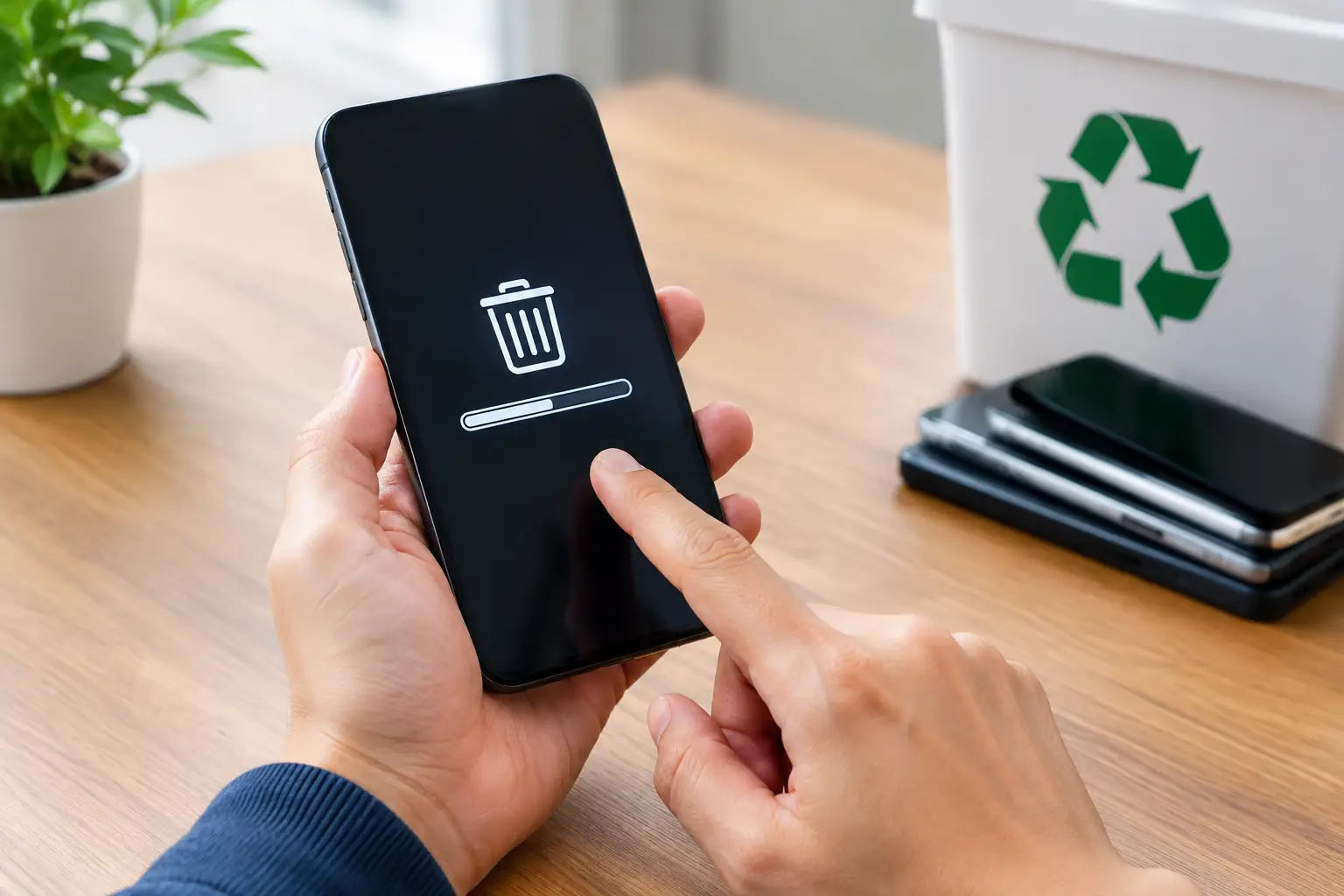
Most electronics recycling conversations focus on the environmental side first. That is valid, but for many customers the immediate concern is data. A used laptop, desktop, server, NAS device, or phone may still contain personal files, saved passwords, client records, employee information, or internal company documents.
That is why secure handling should not be treated as an optional extra. A professional provider of on site e waste recycle services should be able to explain how data-bearing devices are identified, what wiping standard is used where applicable, when physical drive destruction is recommended, and what documentation is available.
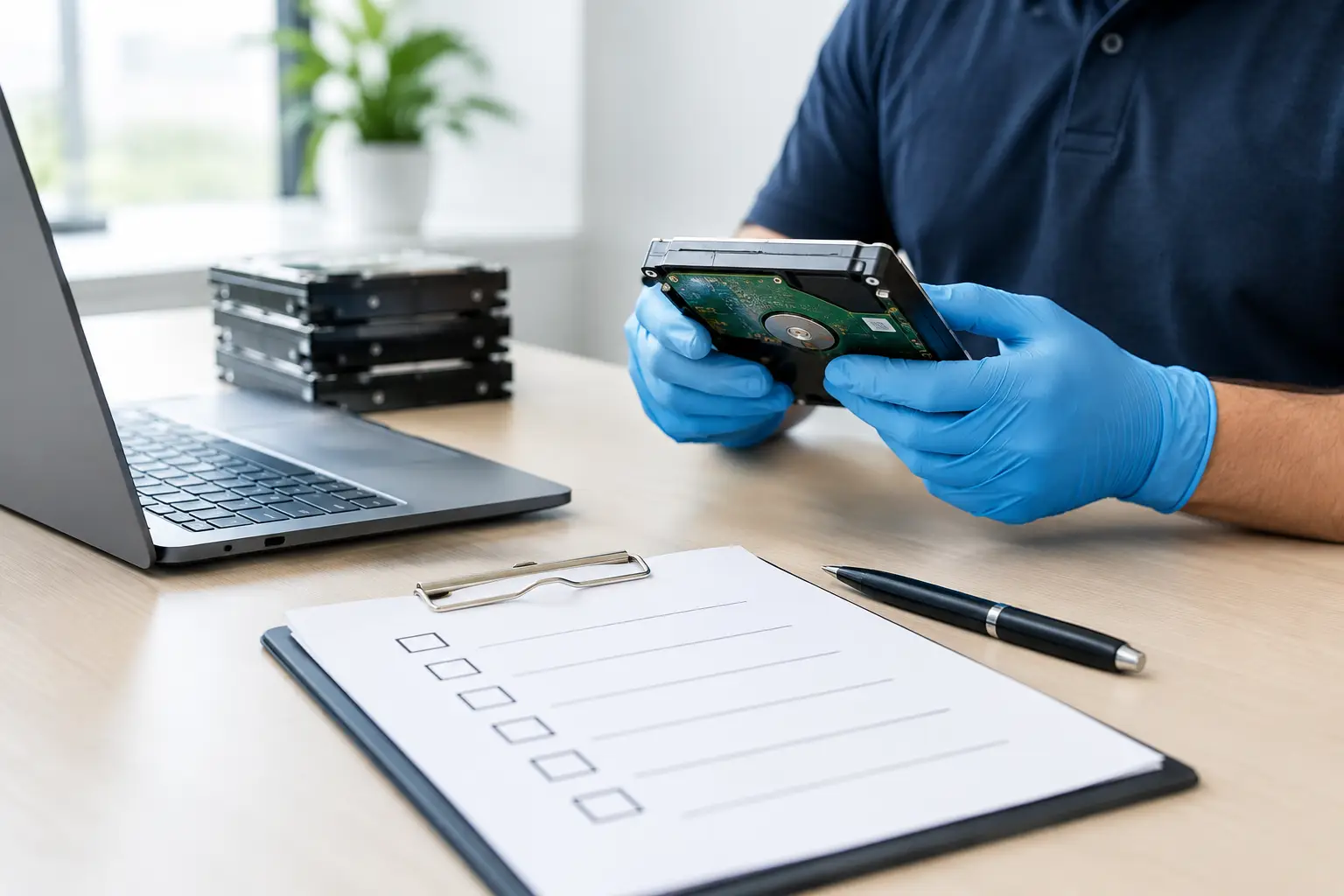
There is no single answer for every device. It depends on what the equipment was used for and how sensitive the stored information is. A home user clearing out an old family laptop may be comfortable with certified data wiping. A business retiring finance department drives or customer database storage may prefer physical destruction or stricter internal signoff before release.
A provider with real IT handling experience can explain those trade-offs in plain language. That is far more reassuring than a generic collector whose only focus is scrap value.
What businesses should expect from on site e waste recycle services
For businesses, the process should feel organized from the first conversation. You should be able to describe what needs to be collected, where it is located, and whether any items require special handling because of data sensitivity, size, or volume.
A good service will typically confirm scope before pickup so there are fewer surprises on collection day. If you have mixed equipment such as desktops, laptops, servers, switches, phones, and hard drives, the team should know what is coming and how to handle it.
Documentation is another major point. Businesses often need basic pickup records, asset verification, or collection acknowledgment for compliance, internal tracking, or audit support. Not every company needs a detailed serialized report, but many need more than a verbal promise that the equipment is gone.
The best approach is practical. Match the level of documentation to the level of business risk. A small office clearing a few obsolete monitors may only need a pickup record. A company disposing of storage devices and endpoint systems may need item verification and confirmation of data sanitization steps.
What households usually want from the process
Residential customers usually ask simpler questions, but they are no less important. Can the provider pick up from an apartment or landed home? What kinds of electronics are accepted? Do broken devices qualify? Is there support for old PCs, phones, chargers, printers, and small electronics sitting in drawers?
The main expectation at home is ease. People want one pickup, clear communication, and confidence that usable data will not be exposed. They also want to avoid dealing with multiple parties for different device types.
This is where a service-first model stands out. Instead of asking the customer to sort through recycling rules, transportation, and resale uncertainty, the provider handles collection and directs the equipment into the proper downstream process.
Not all electronics should be handled the same way
One common mistake is assuming every device follows the same disposal path. It does not. A monitor without storage is different from a workstation with an SSD. A dead printer is different from a server filled with enterprise drives. A box of tangled cables does not carry the same risk as office laptops assigned to former staff.
That is why a one-price, one-method approach can be a poor fit. Proper on site e waste recycle services separate items by type, risk, and likely processing route. Some devices may be wiped and recycled. Some may need dismantling through licensed downstream recyclers. Some may require drive removal or destruction before anything else happens.
Customers do not need to know every technical detail, but they should see that the service is built around proper handling rather than bulk hauling.
How a professional pickup process usually works
The most effective process is straightforward. First, the customer shares what equipment needs to go. Then the pickup is scheduled, with any special requirements discussed in advance. On collection day, the items are removed from the site, recorded as needed, and handled according to whether they contain data, require verification, or need secure processing.
After pickup, the devices move into the next stage of disposal or recycling. That may include data wiping using standards such as DoD 5220.22-M 3-pass overwrite for suitable storage media, coordination for hard drive destruction, and transfer to licensed recyclers for final material processing.
What customers should notice is not complexity, but control. The process should feel deliberate, documented, and easy to follow.
Why trust matters in e-waste collection
When people search for electronics recycling, they often compare convenience first and trust second. In reality, trust should come first. Anyone can offer to collect old devices. The harder question is what happens after the pickup.
A trustworthy provider can explain chain of handling, data protection options, and how collected equipment is passed into responsible recycling channels. They do not rely on vague promises. They provide a process.
That is especially important for local businesses that do not have a dedicated IT asset disposal program. They still carry the same exposure if old devices leave the office without proper control. The difference is that they often need a practical partner rather than a large enterprise contractor.
For that reason, service quality matters as much as recycling itself. A dependable local provider like MYPC2U can fill that gap by combining doorstep collection with IT-aware handling, secure data wiping support, and documented pickup records that make the entire job easier to manage.
Choosing the right service for your situation
The right provider is not always the one that promises the fastest pickup or the highest scrap return. It is the one that fits your actual needs. If your priority is removing a few broken household devices, convenience may lead the decision. If you are clearing business equipment with storage media inside, secure handling and documentation should lead.
Ask simple questions. What devices do you accept? How do you handle hard drives and SSDs? Can you provide pickup records? Do you coordinate proper downstream recycling? The answers should be clear, not evasive.
Old electronics should not become a storage problem, a transport problem, or a data problem. When the collection process is handled properly at your location, disposal becomes what it should have been from the start – safe, convenient, and easy to move forward with.


Leave a Reply