
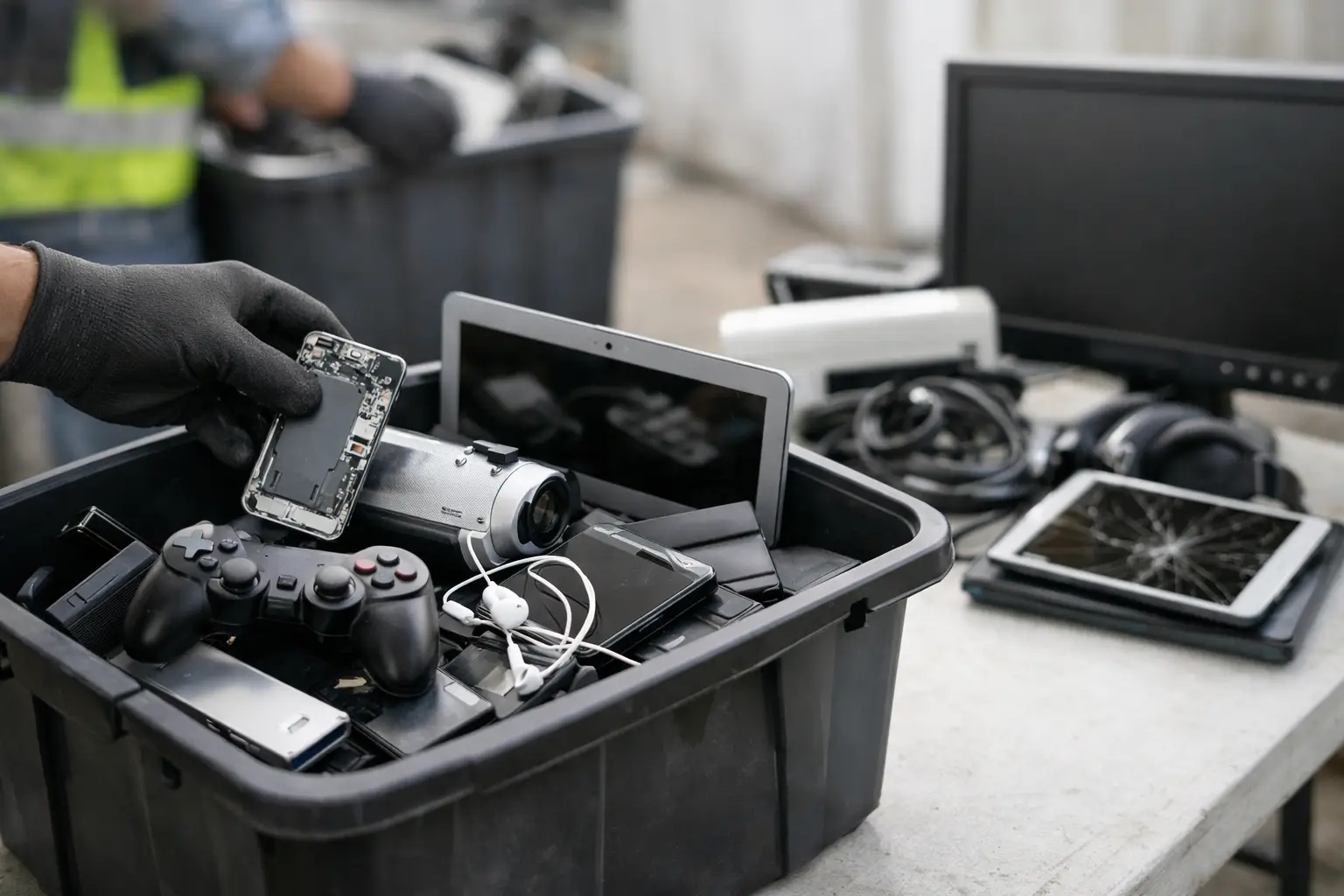
A lot of people keep old electronics longer than they should, not because they want to, but because they are not sure what can actually be collected. A broken laptop ends up in a drawer. Old office phones stay in a storeroom. Retired servers sit in a corner because nobody wants to guess what items we pick for e-waste recycling and what needs special handling.
That uncertainty is common for both households and businesses. Some devices clearly look recyclable, while others fall into a gray area. The easiest way to think about it is this: if it runs on electricity, stores data, connects to a network, or supports office IT operations, there is a good chance it belongs in an e-waste pickup process rather than in general trash.
What items we pick for e-waste recycling most often
The most common category is personal and business computing equipment. This includes desktop computers, laptops, all-in-one PCs, monitors, keyboards, mice, docking stations, and power adapters. Even if a device no longer powers on, it can still be part of an e-waste collection because the materials and components need proper downstream handling.
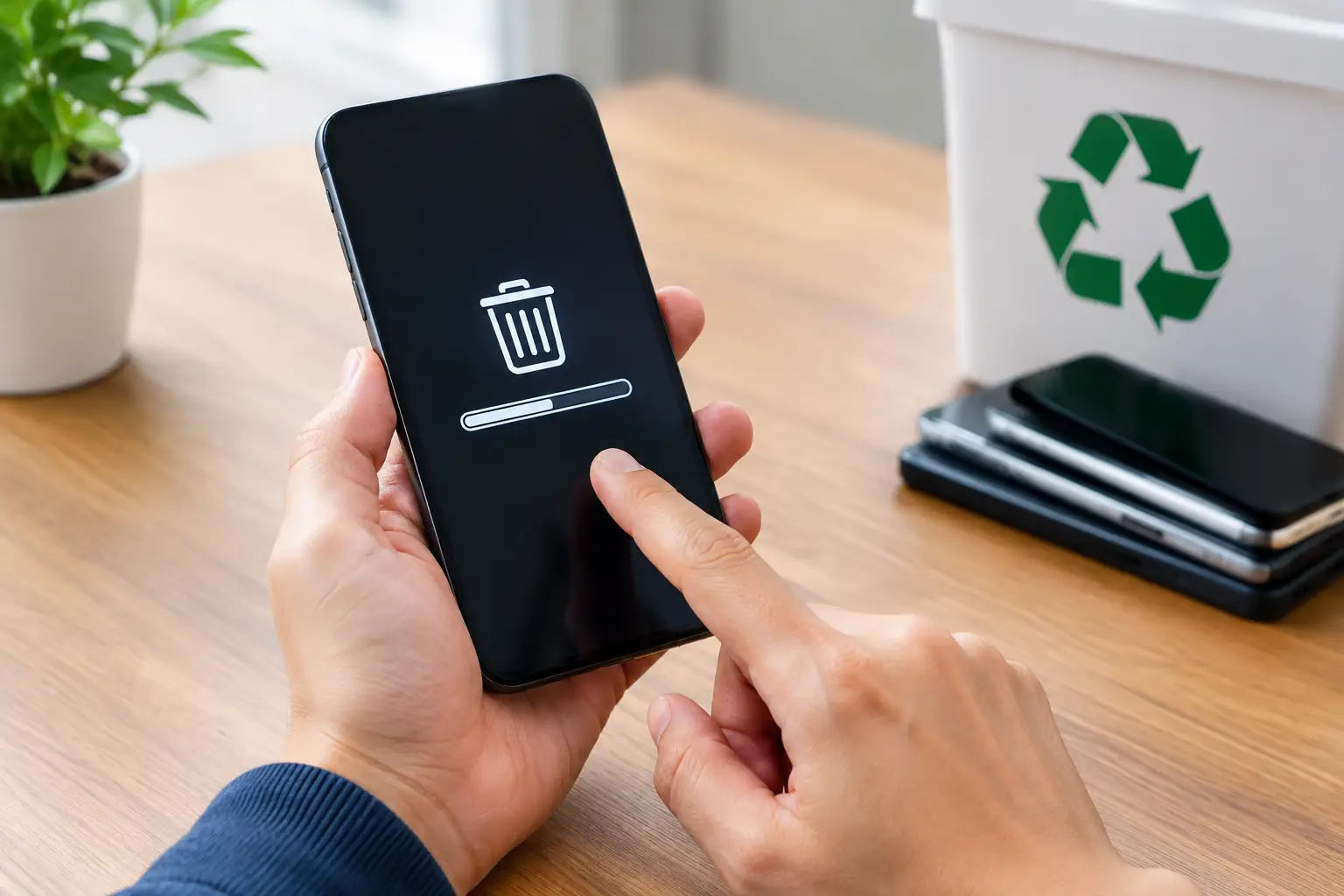
Phones are another frequent item. That includes smartphones, office desk phones, cordless phones, tablets, and related chargers. For many customers, phones create extra hesitation because they may still contain personal photos, messages, account access, or company contact records. That is why collection is not only about removing the item – it is also about making sure the handling process respects the data risk that comes with it.
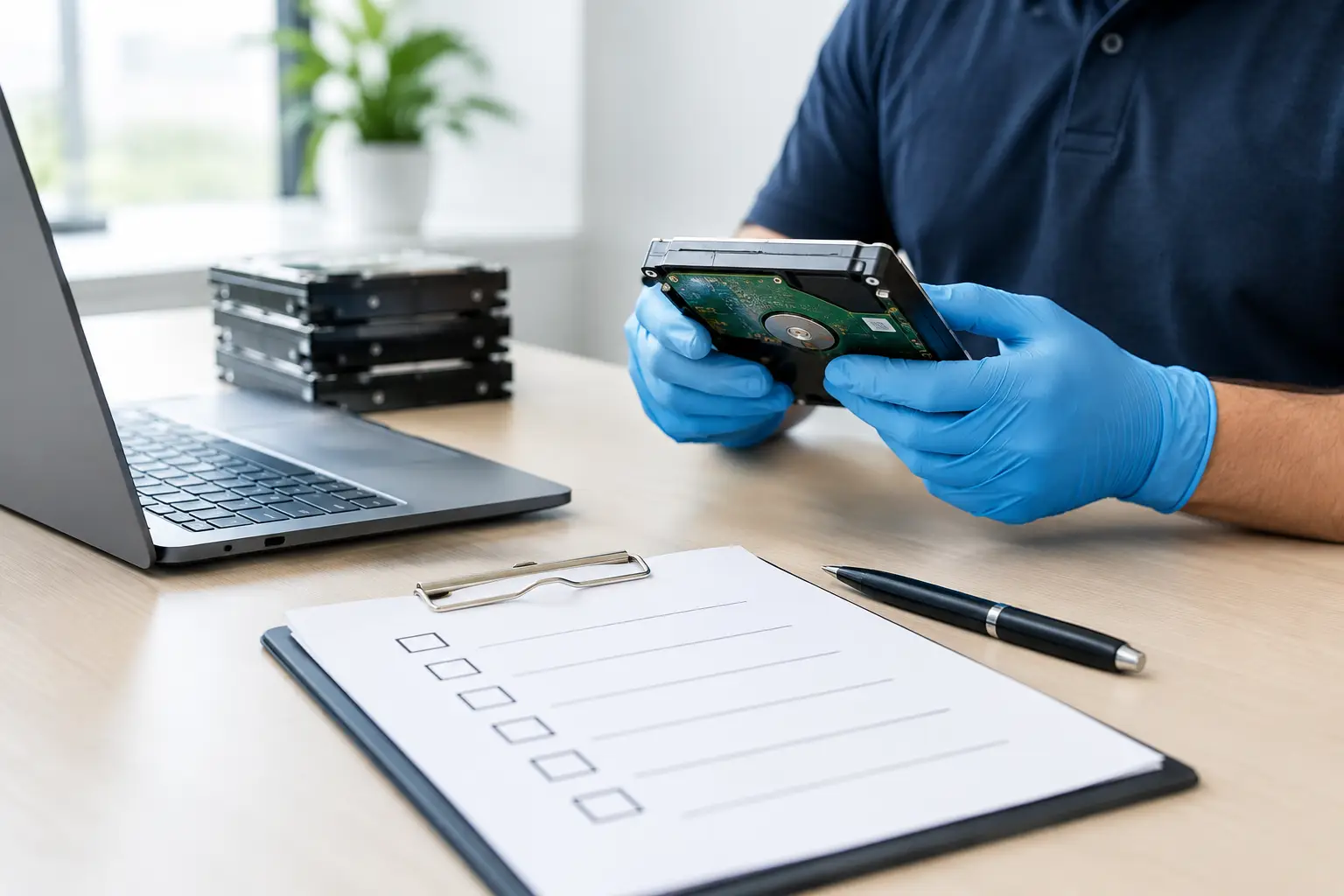
Storage devices matter just as much, even when they are small. Hard disk drives, solid-state drives, external drives, USB flash drives, and memory cards are easy to overlook because they do not take up much space. In practice, these are often the most sensitive items in the room because they may hold years of business files, financial records, or personal information.
Computers, laptops, and office IT equipment
For homes, old PCs and laptops are usually the first things people think of when arranging an e-waste pickup. These devices are straightforward to identify, but many customers are surprised that accessories and supporting hardware can usually go at the same time. A pickup can often include cables, chargers, routers, modems, and computer peripherals that have become obsolete along with the main device.
For offices, the scope is usually broader. Workstations, spare laptops, thin clients, monitors, conference room devices, UPS units, and retired IT inventory often build up slowly over time. One department replaces a few systems, another stores old equipment for backup, and before long there is a pile of assets nobody wants to move. Pickup-based recycling helps because it removes the transport problem and creates a more organized handover.
There is one practical detail worth mentioning here: condition is not always the deciding factor. Working equipment, damaged equipment, incomplete equipment, and end-of-life equipment may all be eligible for collection. What changes is how each item is assessed and processed afterward.
Servers and network hardware
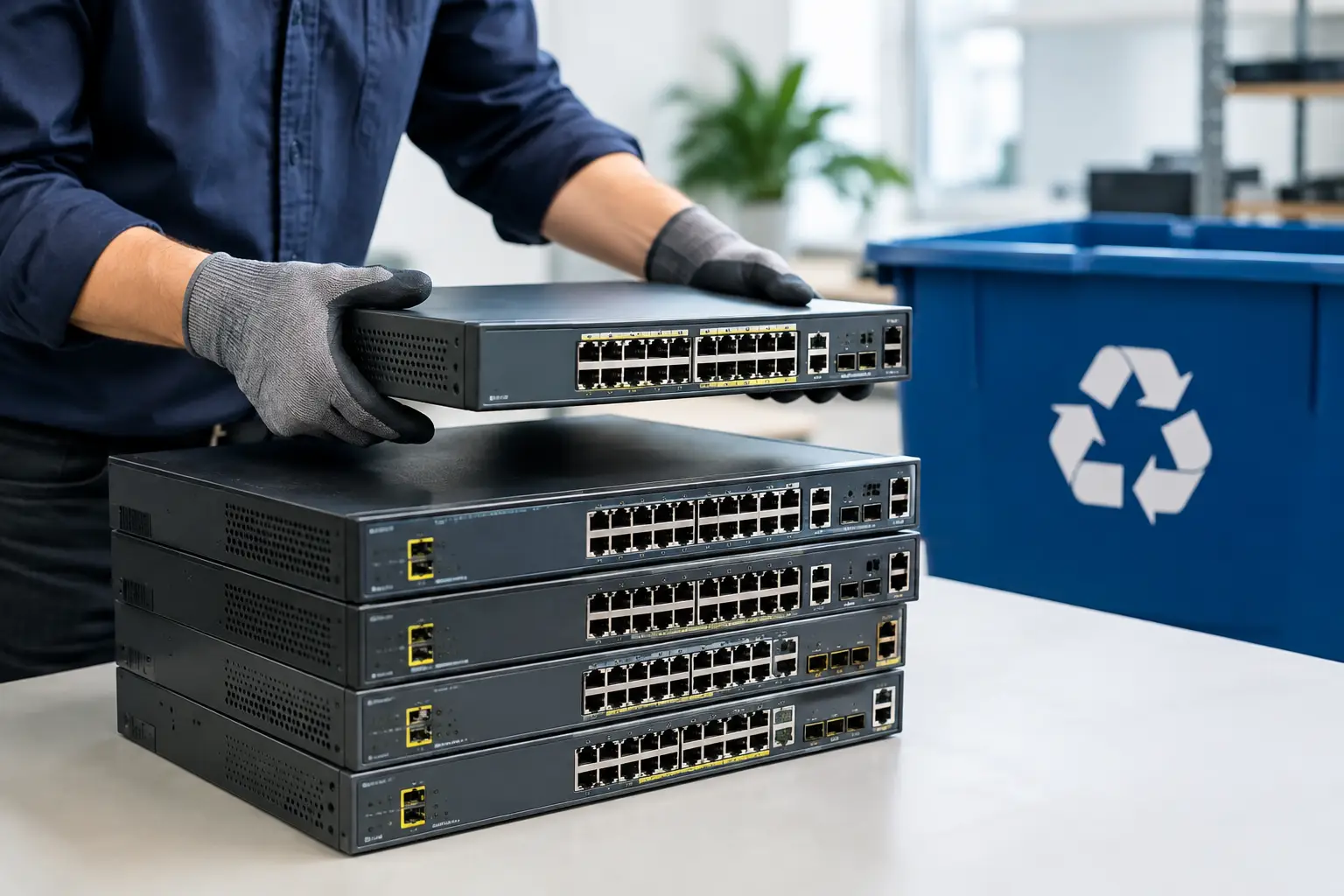
Business customers often ask whether larger or more specialized IT equipment is included. In many cases, yes. Servers, rack-mounted units, network switches, firewalls, routers, patch panels, and related hardware are common e-waste items in business environments.
These devices need more careful handling than casual disposal suggests. Servers and network hardware may contain storage media, asset tags, configuration data, and business-critical information. They can also be bulky, heavy, or awkward to remove from a server room or office storeroom. That is why a professional pickup process matters. The value is not only in taking the equipment away, but in managing it in a controlled, documented way.
Printers, copiers, and office machines
Printers and multifunction devices are another category people often hesitate about. They are electronic equipment, but many customers are unsure whether they count as standard e-waste because they also use toner, paper trays, and mechanical parts. In most cases, printers, scanners, fax machines, label printers, and similar office devices are valid collection items.
The main thing to keep in mind is that larger office machines may need a bit more planning. Size, access, and weight can affect pickup arrangements, especially in office buildings. Small desktop printers are simple. Heavy multifunction copiers may require clearer coordination. It depends on the machine and the pickup location.
Small electronics people forget about
Some of the most overlooked e-waste comes from small items that seem too minor to matter on their own. Think of webcams, speakers, headsets, CCTV recorders, mini PCs, point-of-sale devices, card readers, old Wi-Fi extenders, and unused power supplies. Individually, they do not look like a major disposal problem. Collectively, they create clutter and often contain recyclable materials or data-related risk.
This is especially true for businesses that have gone through years of gradual upgrades. A company may replace routers, phones, or accessories bit by bit, then keep the older units in cabinets just in case. Eventually, those small items become difficult to track. A proper collection clears them out in one move and reduces the chance that sensitive hardware gets mixed into general disposal.
What usually needs a quick check first
Not every item can be assumed without confirmation, and being clear about that helps avoid confusion. Some electronics sit near the border between standard e-waste and specialized waste streams. Items with significant physical damage, swelling batteries, or unusual industrial components may need extra review before pickup is confirmed.
The same goes for very large equipment or mixed loads from office clear-outs. If a customer has old electronics together with furniture, paper waste, or general renovation debris, those items should be separated. E-waste recycling works best when the collection is focused on electronic and electrical items rather than acting like a general junk removal service.
That distinction matters because proper recycling depends on correct downstream handling. A trustworthy service should be clear about what fits the process and what needs another route.
Why data-bearing devices are treated differently
When people ask what items we pick for e-waste recycling, the real question is often about risk, not just eligibility. A broken laptop is not only scrap. An old desktop is not only metal and plastic. If a device stores files, account logins, customer records, or internal business data, it needs secure handling from pickup onward.
That is why computers, phones, servers, and storage drives deserve extra attention. For households, this protects personal information. For businesses, it supports internal control, privacy obligations, and cleaner asset disposal records. A more professional service approach gives customers confidence that disposal does not create an avoidable data exposure problem.
This is where an IT-aware provider stands apart from a generic scrap collector. The item itself may look the same from the outside, but the way it is handled should reflect what may still be inside.
How pickup usually works
Most customers do not need a complicated disposal process. They need clear answers, a scheduled collection, and confidence that the items will be handled responsibly. That is why pickup-based e-waste recycling works well for both homes and offices.
Typically, the process starts with identifying the devices for collection. That can be a few household items or a larger batch of office equipment. Once the scope is clear, pickup can be scheduled based on location, access, and item type. On collection day, the equipment is gathered, recorded as needed, and removed for proper handling.
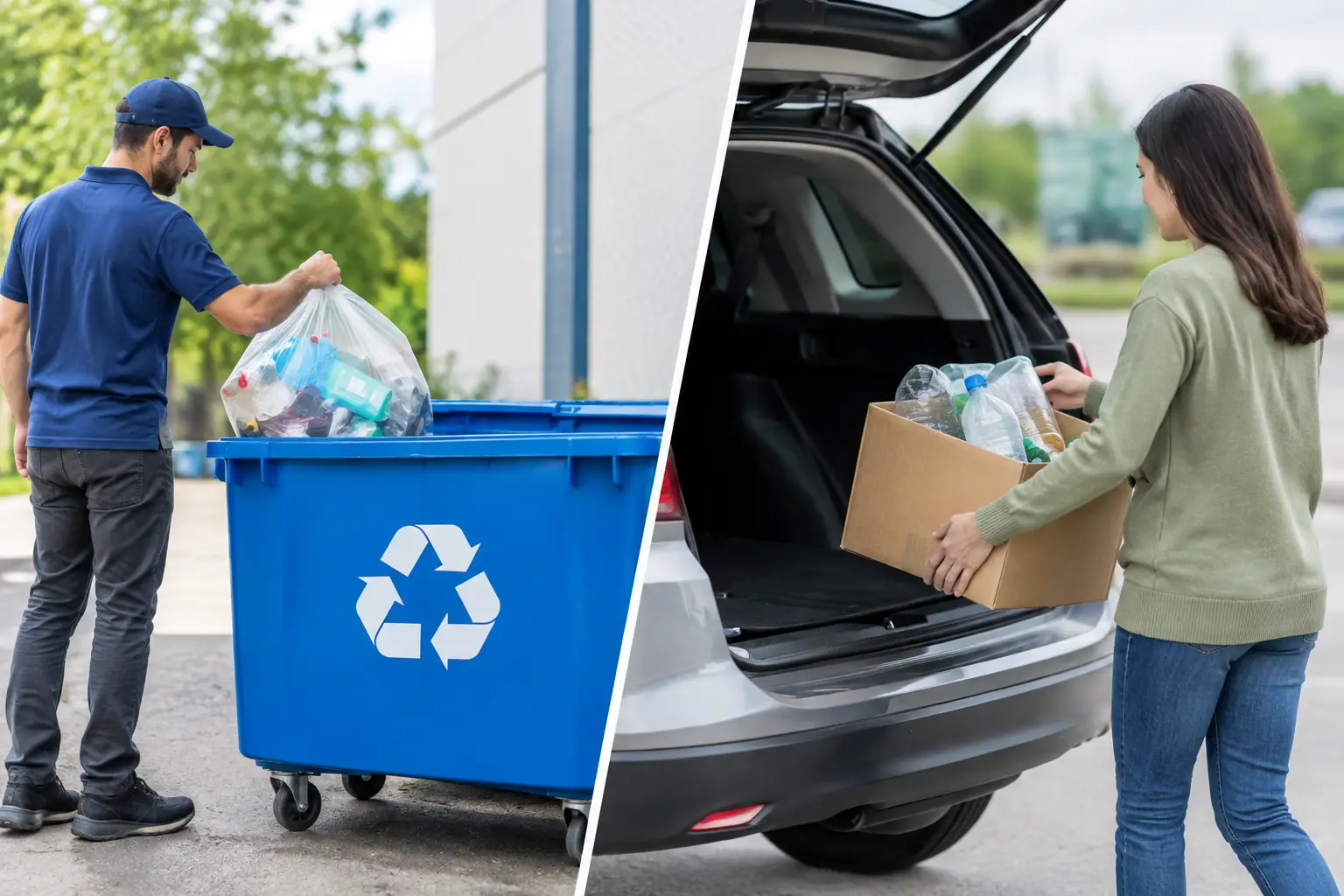
For business customers, documentation often matters just as much as convenience. Pickup records, asset verification, and secure handling support a more accountable disposal process. For households, the biggest benefit is usually simpler logistics. There is no need to load bulky monitors, old CPUs, or unused printers into a car and hope the drop-off point accepts them.
MYPC2U is built around exactly that kind of practical service – helping customers clear unwanted electronics with doorstep convenience, secure handling, and a process that makes sense for real homes and working offices.
A simple way to decide if your item belongs in e-waste recycling
If the item plugs in, charges, powers up, stores data, or supports IT or office operations, it is usually worth checking for e-waste pickup. That includes the obvious items like laptops and monitors, but also the less obvious ones like network gear, storage devices, conference room tech, and small electronic accessories.
If you are unsure, the safest assumption is not to throw it out with general waste. Electronics are one of those categories where a quick check prevents a bigger problem later, whether that problem is data exposure, improper disposal, or just a missed chance to clear space properly.
Old devices have a way of piling up quietly. Getting them out of the house or office starts with knowing they count.


Leave a Reply