That old laptop in a drawer, the office printer nobody wants to move, the server pulled out during an upgrade – none of it is just “junk.” If you have ever wondered what is electronic waste management, the short answer is this: it is the process of collecting, handling, sorting, data-clearing, recycling, and documenting unwanted electronic devices so they are disposed of safely and responsibly.
For households, that usually means getting rid of old phones, computers, monitors, cables, and small devices without creating a data risk or sending them to the wrong place. For businesses, it goes further. Electronic waste management also involves asset tracking, secure data wiping, pickup coordination, and proof that retired equipment was handled properly.
What is electronic waste management in practical terms?
Electronic waste management is not just recycling. Recycling is one part of it, but the full process starts much earlier.
First, devices need to be identified. Some items can be reused, some can be refurbished, some can be dismantled for materials recovery, and some need secure destruction because of their condition or the type of data they hold. A desktop computer, for example, may still contain a working motherboard, recoverable metals, plastics, and a storage drive that requires proper data sanitization before anything else happens.
That is why proper e-waste management usually includes collection, inspection, sorting, data handling, transport, downstream processing, and records. In a home setting, the process may be simple. In a business setting, especially when servers, laptops, hard drives, or networking equipment are involved, it needs more control.
The key point is that electronic waste management is about handling devices in a way that protects both the environment and the owner of the equipment.
Why e-waste needs special handling
Electronics are different from general household trash because they contain a mix of materials, and not all of them are harmless. Circuit boards, batteries, screens, plastics, and internal components can contain materials that should not end up in regular landfills or informal scrap streams.
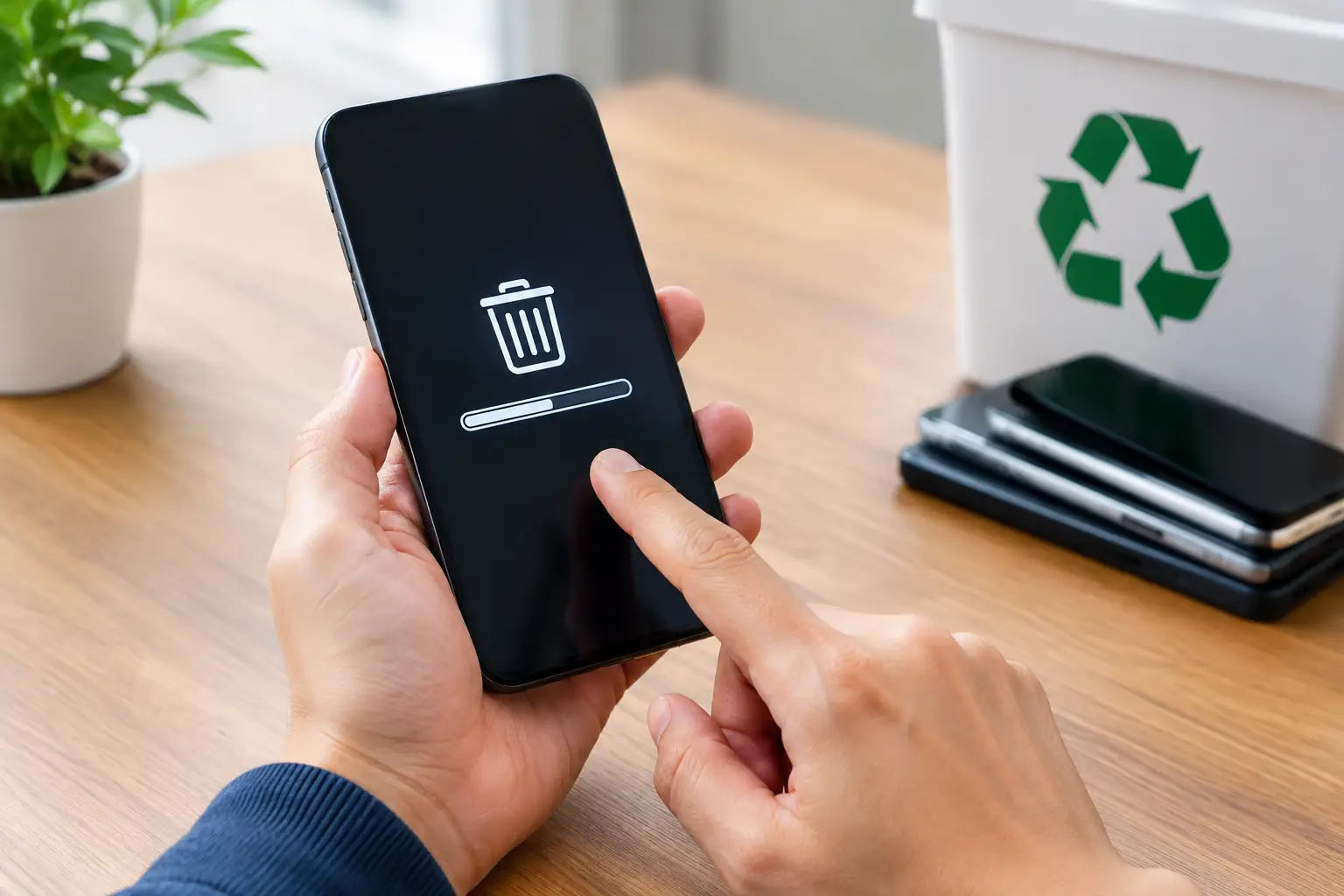
At the same time, many electronic devices store information long after people think they are empty. An old laptop may still hold login credentials, tax records, employee files, customer details, or saved browser data. A retired office copier may contain scanned documents on internal storage. Even a damaged hard drive can still present a data exposure risk if it is handled carelessly.
This creates a dual responsibility. You are not only disposing of physical equipment. You are also dealing with stored information, company records, and potentially regulated or sensitive data.
What kinds of items count as e-waste?
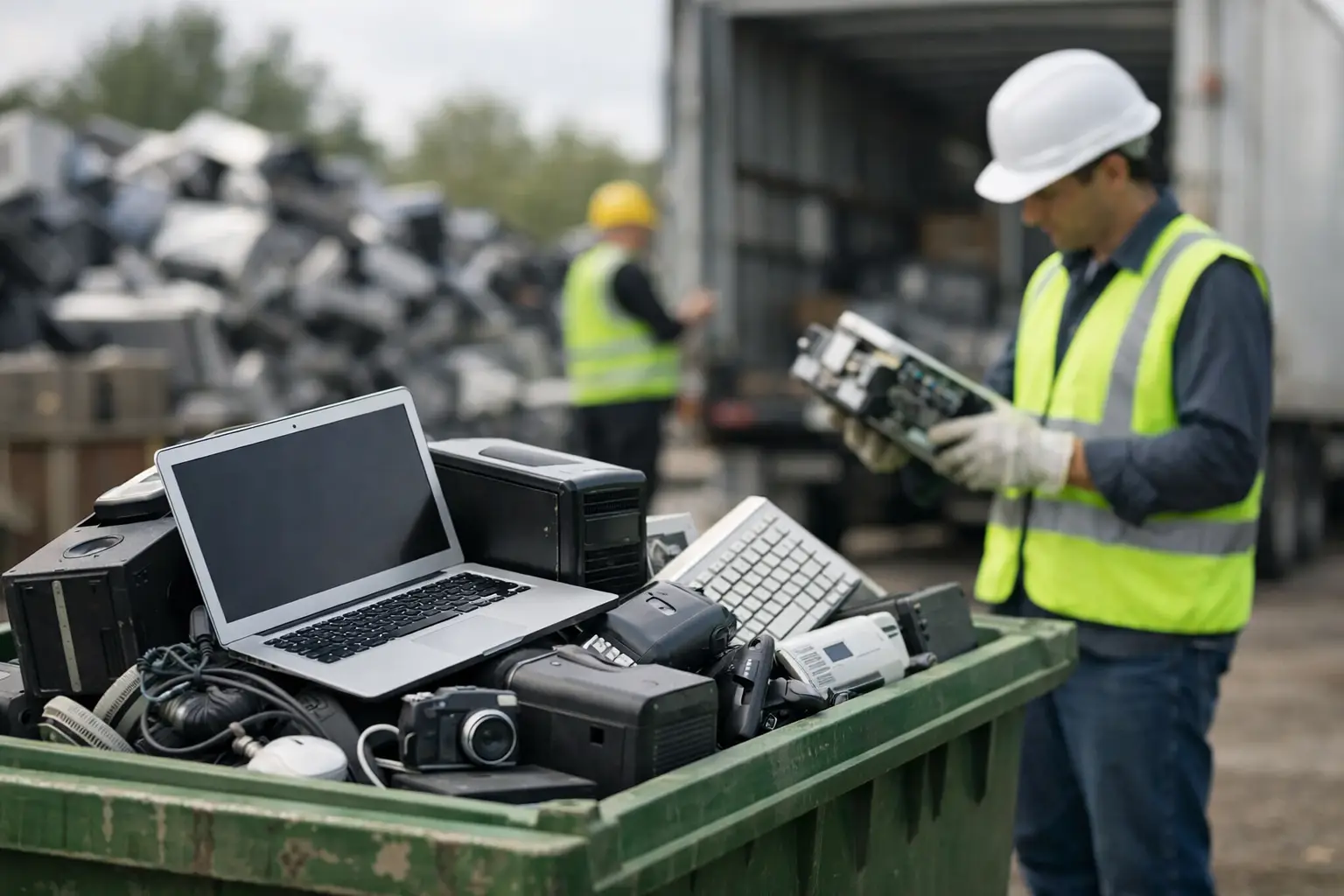
Most people think of e-waste as just broken computers, but the category is much broader. It usually includes laptops, desktops, monitors, phones, tablets, servers, hard drives, switches, routers, printers, scanners, office equipment, small household electronics, and many accessories.
The exact acceptance list depends on the service provider and downstream recycler. Some items are straightforward to process, while others require separate handling because of batteries, screen types, or mixed materials. That is one reason a proper collection service matters. It helps customers avoid guessing what should go where.
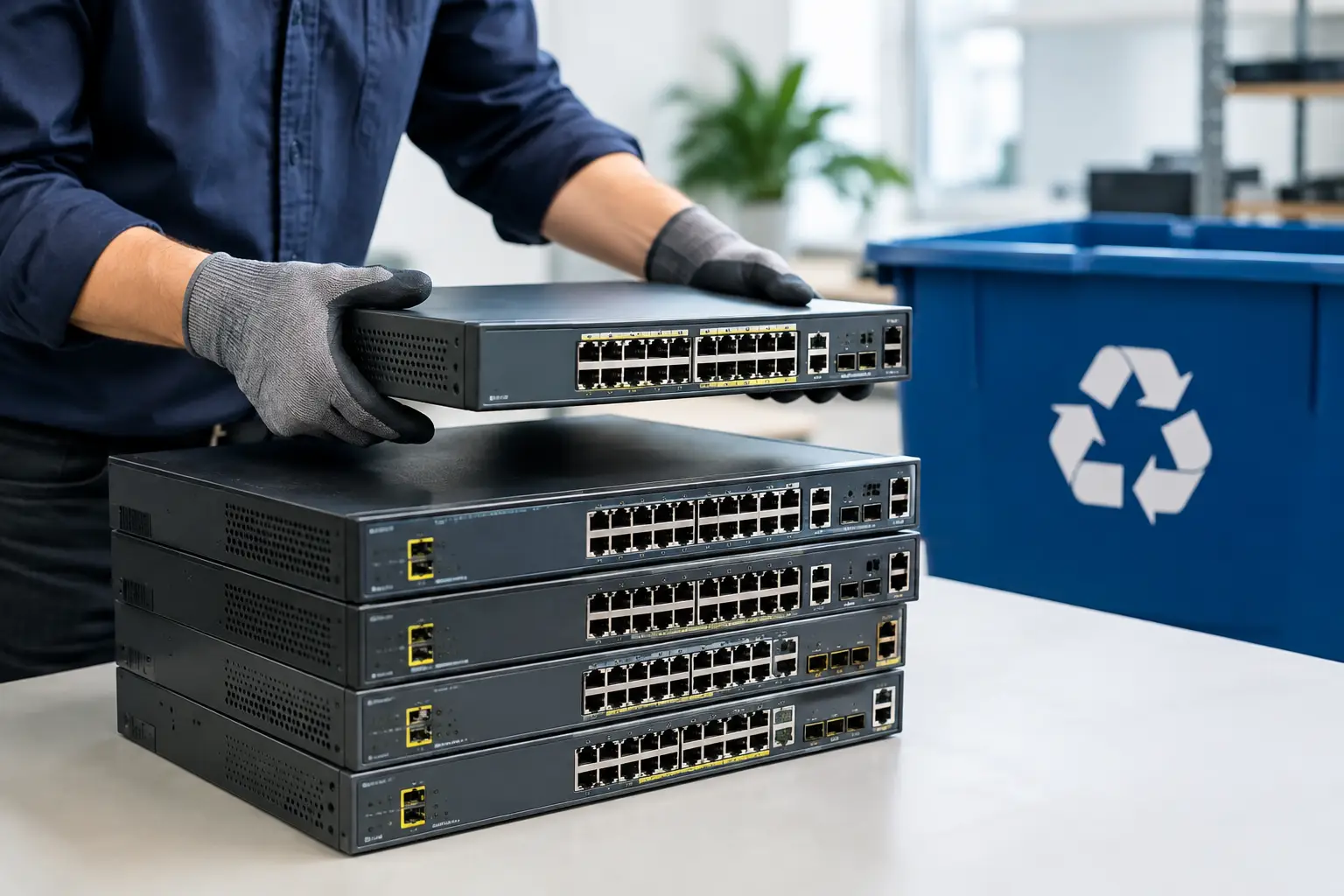
For businesses, the list often expands to include structured IT equipment such as storage devices, server racks, telecom hardware, UPS units, and obsolete networking gear. In those cases, collection is not just about clearing space. It is part of managing an equipment lifecycle properly.
The real difference between disposal and management
Throwing electronics away is disposal. Managing them properly is a controlled process.
That difference matters because electronics pass through several stages before they are finally recycled or destroyed. Someone has to collect them, move them safely, check what they are, separate data-bearing devices, document pickup, and coordinate the next step. If any part of that chain is loose, risk increases.
For a household, the biggest concern is often convenience and peace of mind. People want old devices removed without having to transport bulky items or worry about where they will end up. For a business, the stakes are higher. There may be internal compliance requirements, inventory records, or client expectations around data protection.
So when people ask what is electronic waste management, the more accurate answer is that it is controlled disposal with environmental and data safeguards built in.
Data security is a major part of e-waste management
One of the biggest misconceptions is that recycling alone is enough. It is not, especially if a device contains storage.
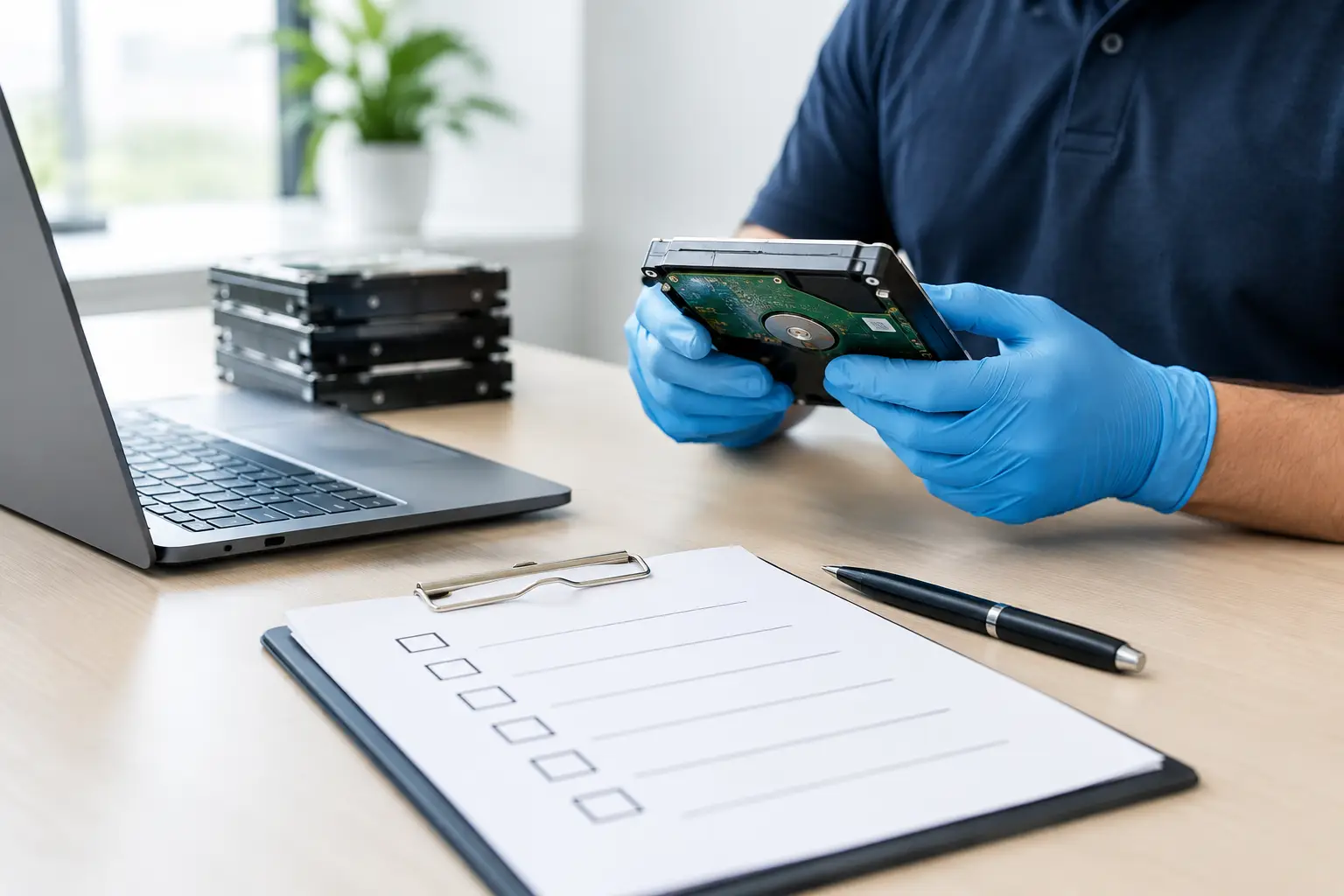
Computers, laptops, servers, mobile phones, and office machines often retain recoverable data unless they are properly wiped or physically destroyed. Deleting files or formatting a drive does not necessarily make the data unrecoverable. That is why professional handling often includes secure wiping standards and, where needed, hard drive destruction support.
For businesses, this step is essential. Retired IT assets may contain employee information, financial records, customer databases, contracts, or internal communications. Even if the equipment no longer works, the storage media can still hold data. A reliable e-waste process treats those devices as information assets first and scrap second.
For households, the risk is more personal but still serious. Old phones and laptops may contain passwords, photos, banking emails, saved documents, and identity information. Secure handling removes a lot of uncertainty from the process.
How the process usually works
A practical electronic waste management process starts with collection. Pickup is often the easiest option for customers because electronics can be heavy, bulky, or awkward to transport. It also reduces the chance that devices get passed around informally before proper handling begins.
Once collected, items are typically checked and sorted. Data-bearing devices are separated from general electronics. Reusable or refurbishable items may be assessed differently from non-functional equipment. Storage media may go through secure wiping or be flagged for physical destruction, depending on customer requirements and device condition.
After that, items move to downstream recycling or recovery channels. Metals, plastics, boards, and other components are processed through appropriate facilities. The exact route depends on the item type, condition, and local recycling arrangements.
For businesses, documentation is often part of the process from start to finish. Pickup records, asset verification, and service reporting help create a clearer chain of custody. That documentation is not just paperwork. It gives the customer evidence that disposal was handled in a more accountable way.
What good electronic waste management looks like
A good service should feel organized, not vague. You should know what is being collected, how data-bearing equipment will be handled, and what records you will receive if documentation is part of the service.
For homes, good management means clear communication, convenient pickup, and confidence that devices will not be dumped or mishandled. For companies, it means a provider understands the difference between clearing office clutter and retiring sensitive IT equipment.
This is where an IT-aware service provider stands apart from a generic scrap collector. Electronics are not all equal. A pile of loose cables is one thing. A batch of office laptops, decommissioned servers, and backup drives is something else entirely. The handling needs to match the risk.
Providers with technical experience can also explain the trade-offs. In some cases, secure wiping is appropriate. In others, physical destruction is the safer choice. In some situations, reusable equipment may still have value. In others, condition, age, or storage concerns make recycling the more practical route.
Why businesses should not treat e-waste as an afterthought
When a company upgrades systems, relocates offices, or replaces aging hardware, old equipment can pile up fast. It takes space, creates confusion, and increases the chance that sensitive devices are forgotten in storerooms or moved without any record.
That is why electronic waste management works best when it is planned. Even a small business benefits from having a simple disposal process for laptops, desktops, drives, printers, and network hardware. It saves time, reduces internal handling, and lowers data exposure risk.
A documented pickup process is especially helpful for office managers and administrative teams who need to show what left the site and when. It turns disposal from an informal cleanup task into a more controlled business process.
Why households benefit too
People often assume secure e-waste handling is only for large organizations. In reality, households have plenty to protect. Personal documents, family photos, tax files, saved passwords, and account access can all sit on old devices long after they stop being used.
There is also the practical issue of transport. Many people hang onto broken electronics simply because they do not know where to take them or do not want to carry them around. A pickup-based service removes that friction and makes responsible disposal more likely.
For local customers, that combination of convenience, secure handling, and proper processing is often the difference between taking action now and letting old equipment keep piling up.
At its core, electronic waste management is about doing the last stage of a device’s life properly. If you are clearing out a home office or retiring business equipment, the best outcome is not just having the items gone. It is knowing they were collected securely, handled responsibly, and processed with the care electronic devices actually require.